
Skip to content
Account

Cart

Authors

Fabian Wörner

Professional bodybuilder, European champion and coach

Fabian is a professional bodybuilder, European champion and coach.

In the Ractiveone guides he writes about recovery boots, compression, massage and post-workout recovery.

Articles by Fabian Wörner

Sleep & blue light

Evening routine for better recovery: the last 60 minutes before bed

A good evening routine for better sleep does not need two hours or twelve steps. It needs one fixed hour in which light, body temperature and your head switch to night mode. That is where the research is: even dimmed room light holds back the sleep hormone melatonin less, and a warm shower one to two hours before bed shortened the time to fall asleep in a meta-analysis. Here is the 60-minute plan I use as an athlete, split into what is backed by evidence, what simply feels good, and where compression boots, heat and blue light glasses fit in.
Sleep & blue light

Sleep and muscle recovery: why sleep is the No. 1 recovery tool

Sleep and muscle recovery are more closely linked than most training plans admit. I use recovery boots and a massage gun almost every day, and I still rank sleep above all of them. One night without sleep measurably lowers muscle protein synthesis, and college basketball players who extended their sleep sprinted faster and shot more accurately. Yet many athletes sleep too little. This article covers what studies have actually measured on sleep, muscle growth, performance and injuries, where the evidence is thin, and how to plan your sleep with the same care as your sessions.

Recovery boots & compression

Hyrox Recovery: Between Training Blocks and After the Race

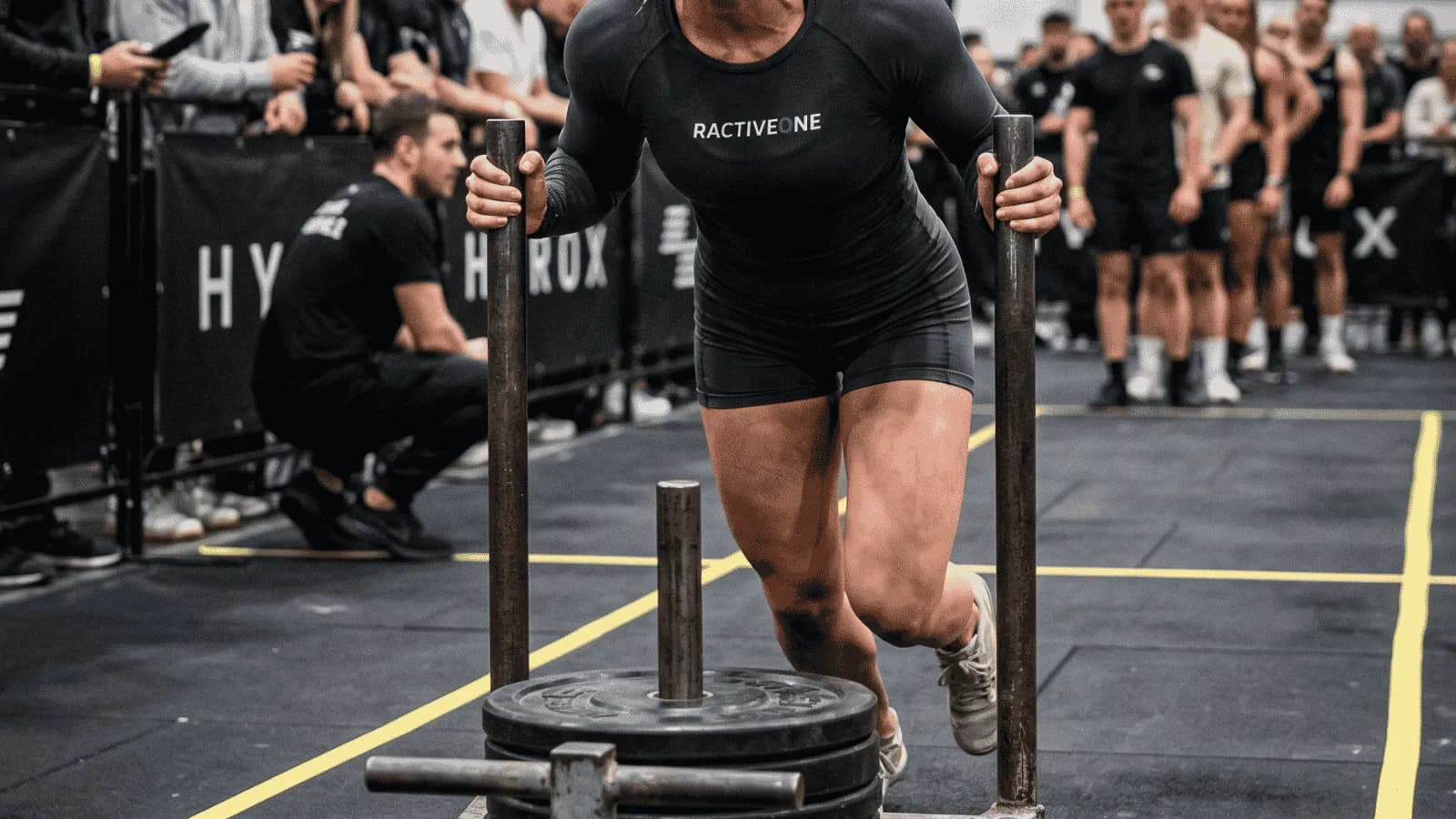
Hyrox recovery is harder than recovery for pure runners or pure lifters, because both kinds of load land on the same legs. Eight kilometres of running plus sleds, lunges and wall balls leave your quads, calves and shoulders tired all at once. If you stack running and strength sessions in training, you face the same problem every week. This article gives you a 7-day plan after race day, a weekly structure for your training blocks and an honest view of what compression boots, a massage gun and heat can do. It draws on the first Hyrox studies and solid data from running and strength training.

Training & recovery

Bodybuilding Recovery: Fabian's Protocol Between Training Splits

Bodybuilding recovery decides whether your split moves you forward or just leaves you tired. You hit each muscle group more than once a week, usually with plenty of volume, and during contest prep you do it on fewer calories. A rest day on the calendar is not a plan. In this article I show you how I plan rest per muscle group as a coach, how sleep and protein fit in, and when compression boots, a massage gun, heat or cold are worth using between sessions. Every recommendation is backed by research, and where the evidence is thin, I tell you.

Heat & cold therapy

Cold therapy after a workout: helpful or a brake on muscle growth?

Cold therapy after a workout feels like elite recovery, yet it can blunt exactly what you train for. Several studies show that people who sit in cold water after every strength session build less muscle and strength over the following weeks. At the same time, cold reliably eases soreness after brutal sessions. Both are true, and the answer depends on your goal and your phase of training. I put the key studies in one table, explain what they say about local cooling and what they do not, and show how I use cold as a bodybuilder in building and contest phases.

Massage guns & trigger points

Massage gun attachments explained: which head for what?

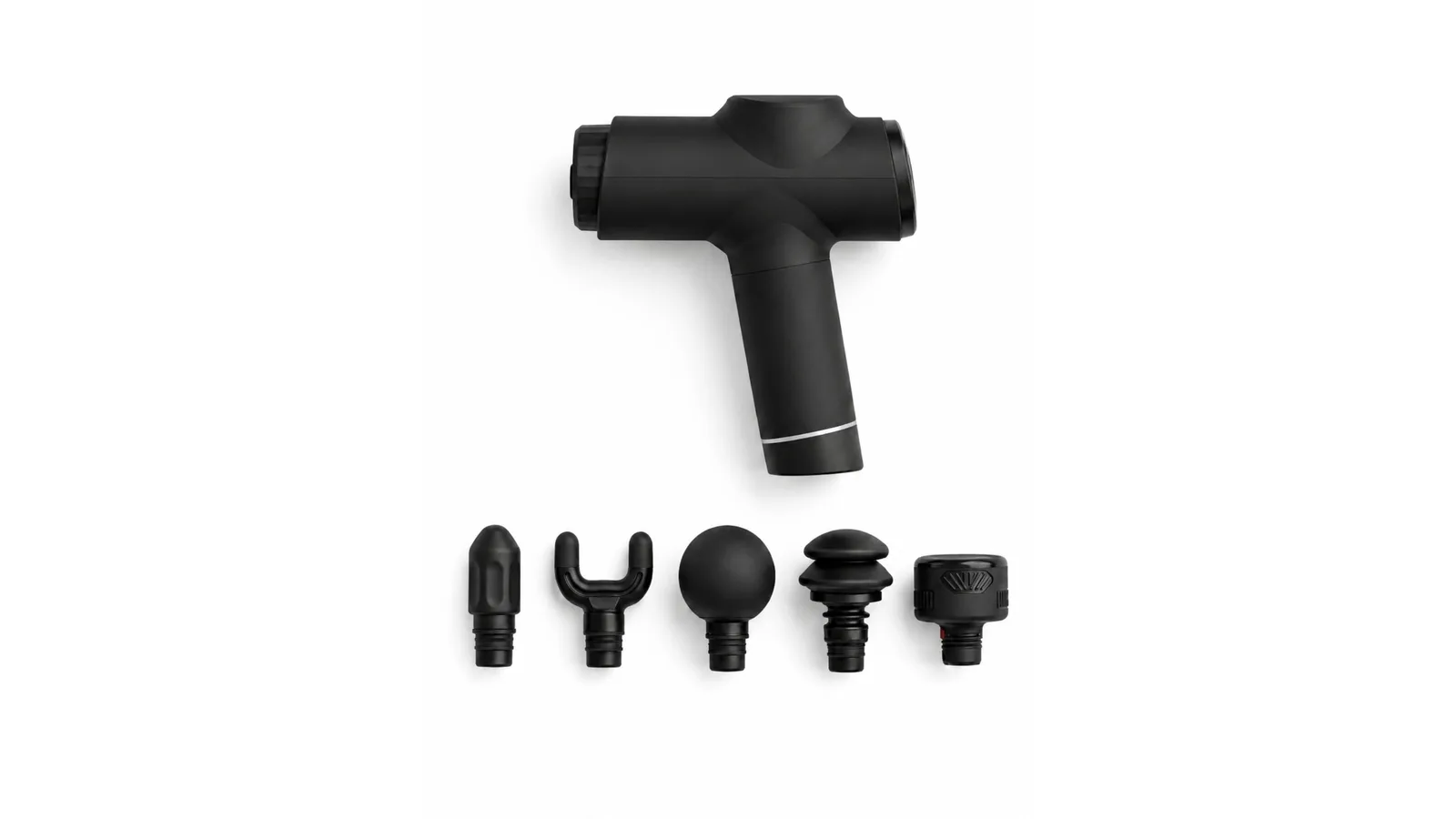
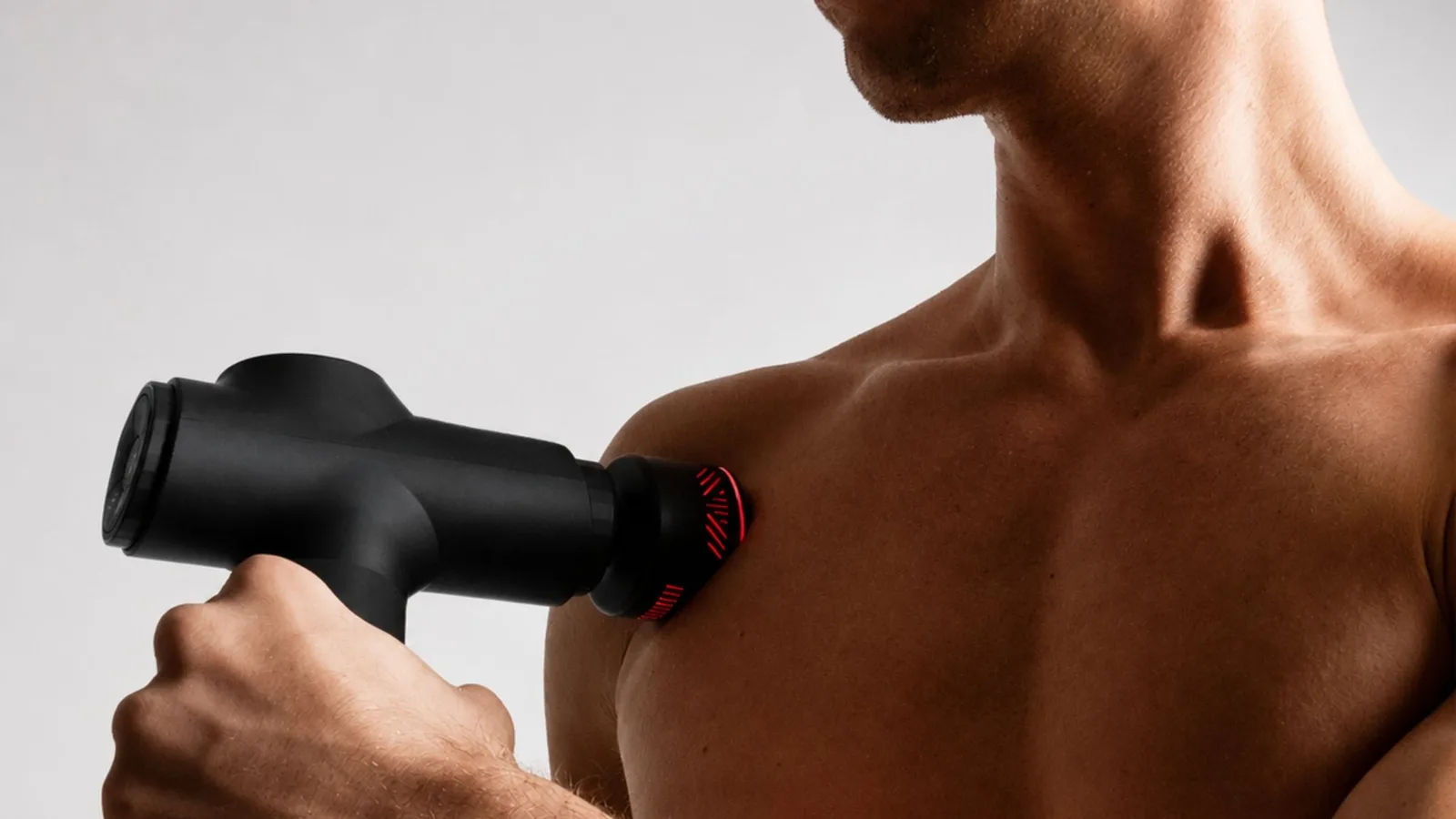
Massage gun attachments look like extras, but they decide where the force lands. The same motor feels gentle through the flat head and quickly too harsh through the bullet. Most guns ship with four to six heads, and the leaflet rarely tells you when to use which. Here I go through the five heads of the Revive Pulse Pro one by one: shape, best use, speed and timing. You also get a table by body area, an honest look at the research and the bullet-head mistakes I see most often with the athletes I coach.

Massage guns & trigger points

Where not to use a massage gun: no-go zones and mistakes

Where not to use a massage gun matters more than which speed you pick. On a healthy muscle belly, used briefly and lightly, the risk is low. Used on the wrong spot, it is a different story: the medical literature contains case reports of torn neck arteries, damaged eye lenses and a serious bleed into the abdominal wall, all after use away from muscle. This guide maps the seven no-go zones with the anatomy behind each one, the mistakes I see most in the gym and the warning signs that mean you stop straight away.

Massage guns & trigger points

How to Use a Massage Gun: Time, Pressure, Attachments, Body Areas

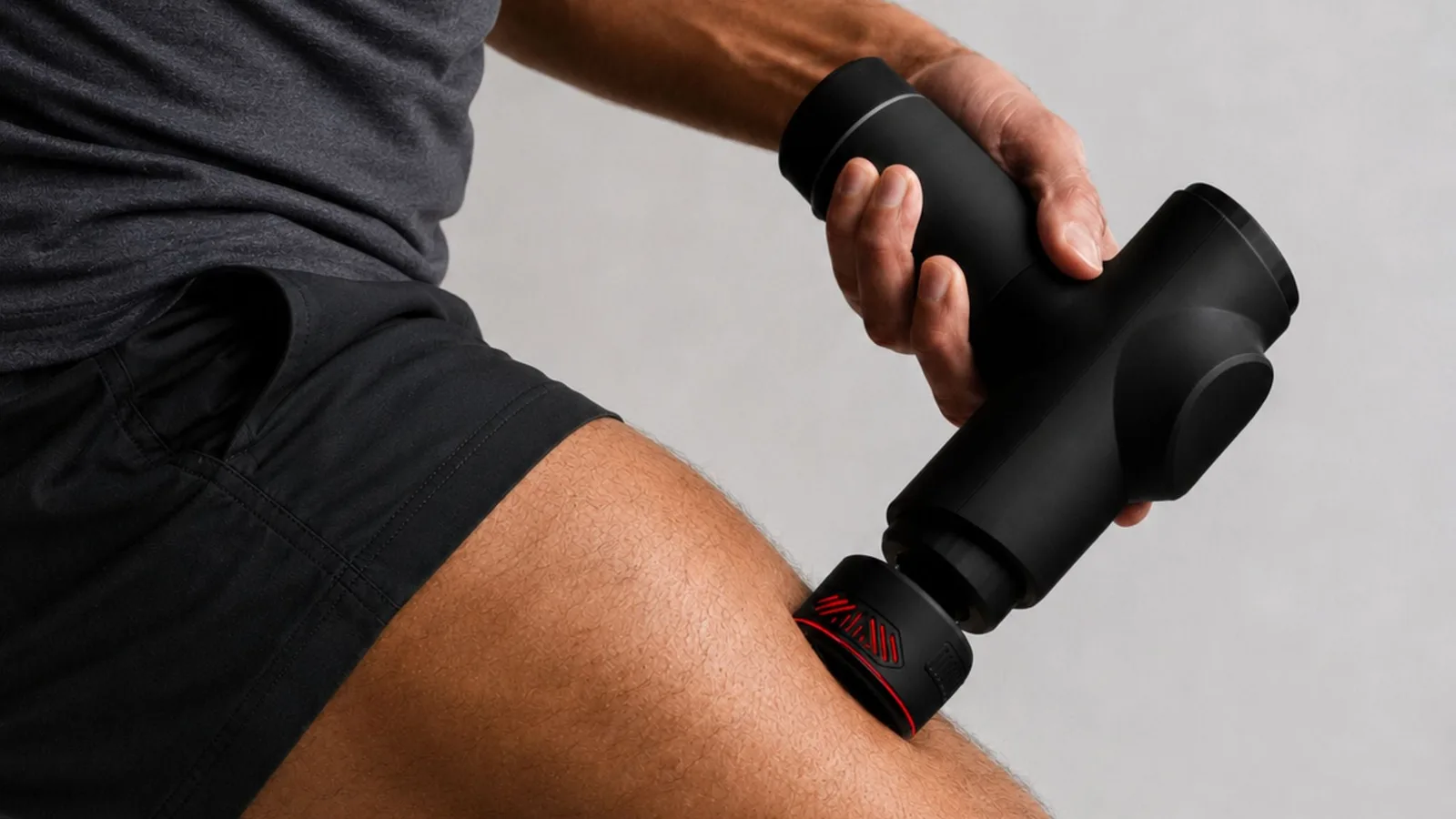
To use a massage gun properly, keep it short, keep the pressure light and stay on muscle. Most problems come from treating it like a pneumatic drill, staying on one spot for too long or running it over bone and joints. This guide gives you clear times per muscle, a table for before training, after training and rest days, the five attachments explained and a plain list of the places to avoid. I will also tell you honestly what the research on massage guns shows and where it runs out.

Massage guns & trigger points

Massage gun for your back: upper and lower back done right

Using a massage gun on your lower back means working only on the muscle either side of the spine, never on the vertebrae, and much more gently than on the upper back. This is where most people go wrong: too much pressure, the wrong attachment, or trying to massage away a painful back. In this guide I show you which muscles you can reach in the upper and lower back, which attachment and speed to use and how long to stay. I am also straight with you about what the research says massage does for back pain, and when it is time to see your GP instead.

Recovery boots & compression

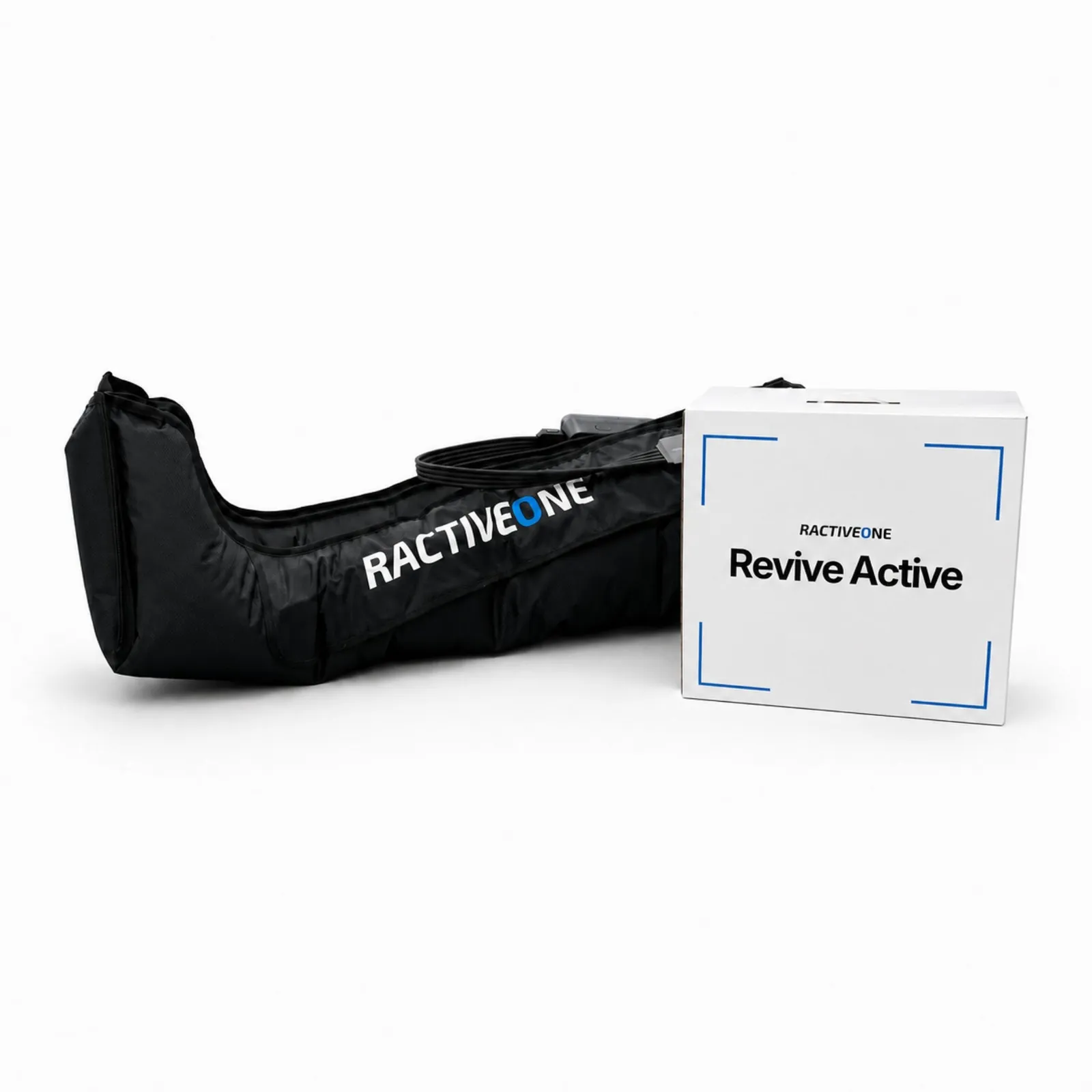
Revive Active vs Revive Active Pro: 4 or 8 Chambers Compared

Revive Active vs Revive Active Pro comes down to one main difference: 4 air chambers per leg against 8. On top of that, the Pro adds a little more maximum pressure, more programmes, a free session timer and chambers you can switch off one by one. Whether you need any of that depends less on how good an athlete you are and more on how you use the boots. I put both models side by side using the product page data, show what research says about chambers, pressure and session length, and tell you where I draw the line as a coach.

Vibration massage

Vibra Grip or massage gun? Precise point work vs broad percussion

A trigger point massager like the Vibra Grip works precisely with vibration; a massage gun like the Revive Pulse Pro works broadly and powerfully with percussion. Both promise looser muscles and both now come with heat and cooling, which makes the choice harder than it looks. In this comparison I put the two side by side: how they work, what the research says about vibration and percussion, which device belongs on which body area and which type of athlete gets more from each. At the end you get three questions that settle the decision in a minute.

Vibration massage

Vibration massage: benefits, how it differs from percussion, how to use it

The main vibration massager benefits are less soreness in the days after hard training and a short-term gain in mobility, delivered more gently than a massage gun. That is the honest summary. The marketing around these devices goes much further, from fat loss to detox, and none of it holds up. In this guide I separate the two: what local vibration does inside a muscle, what ten controlled trials on delayed-onset muscle soreness measured, how vibration differs from percussion, and how to use a vibration massager properly. You will also know exactly where vibration does not belong.

Heat & cold therapy

Contrast therapy: how to alternate hot and cold properly

Contrast therapy means switching several times between heat and cold after training, in water, in the shower or with a device. In high-level team sports such as football and rugby it has been routine for years, usually with the promise of fresher legs. The research supports it when the comparison is simply resting. Against cold water, compression or an easy cool-down, though, it is not clearly better. Here you get the honest state of the evidence, concrete intervals for the shower, two tubs and a device, and a straight answer on when to give it a miss.

Training & recovery

Muscle recovery after a workout: the complete guide

Muscle recovery after a workout decides whether a hard session turns into progress or just fatigue. The good news: the biggest levers cost almost nothing. Sleep, enough protein and carbohydrate, proper hydration and a plan with easy days do more than any gadget. Recovery tools such as compression, massage, heat and cold can build on that and noticeably ease soreness, as long as the basics are in place. This guide ranks every method by the research behind it, gives you concrete numbers and links to an in-depth article for each topic.

Recovery boots & compression

Compression boots vs massage gun: which helps after which session

Compression boots vs massage gun is the question most people ask when they have room or budget for one recovery tool. The short answer: boots treat both legs at once while you lie back; a massage gun treats one muscle at a time and you have to guide it. Which one helps more depends on what you have just done. So rather than stopping at the technology and the research, I go through seven typical training days, from a long run to a Saturday football match, and tell you what I would reach for and why.

Recovery boots & compression

Compression boots compared: Normatec, JetBoots, Compex, Blackroll

Comparing compression boots is harder than it should be, because every brand publishes its data differently: chambers here, zones there, pressure levels with no mmHg value. If you are looking for a Normatec alternative in the UK, you end up with spec sheets that don't line up. I have collected the technical data for Hyperice Normatec, Therabody JetBoots, Compex Ayre, Blackroll and our own Revive Active straight from the manufacturers' websites, as of October 2026. You get one table with a source for every value, a view on which specs matter in practice, and what no spec sheet can tell you.

Massage guns & trigger points

Massage Gun Before or After a Workout? The Best Time to Use It

Should you use a massage gun before or after a workout? Both, but with a different goal and a different dose. Before training, 30–60 seconds per muscle on a low speed is enough, followed by your normal warm-up. After training, 1–2 minutes per muscle makes sense, and after a really hard leg session you are better off going gentle or waiting a few hours. This article shows what the studies actually measured at each point, gives you a timing table and three routines for leg day, upper body and rest days.

Recovery boots & compression

Compression Boots vs Ice Bath: Which Is Better for Recovery?

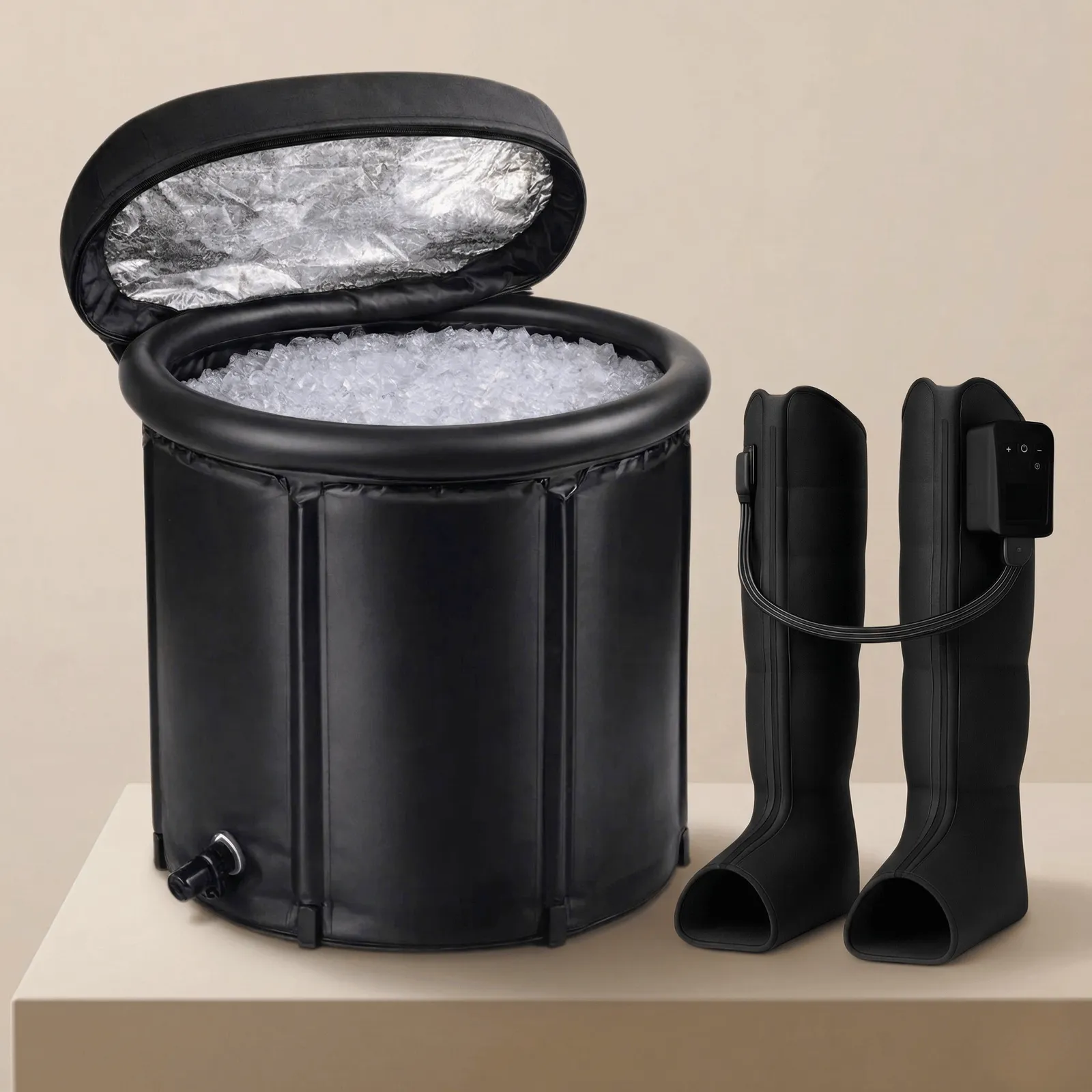
Compression boots vs ice bath: both can take the edge off muscle soreness, but they work in completely different ways and suit different goals. The ice bath cools you down and has slightly broader research behind it, yet after strength training it has been shown to slow muscle growth. Compression boots are more comfortable and easier to fit into daily life, and their effects are small. As a bodybuilder I have used both and had to learn when each one fits. Here is the comparison with the studies, the effort involved, the timing, and a clear recommendation by training goal.

Massage guns & trigger points

Best massage gun UK: 7 criteria to check before you buy

Finding the best massage gun is less about the biggest numbers and more about the right ones. Most “best of” lists hand out scores without explaining how they test, and brands quote figures that cannot be compared. In this guide you get 7 criteria you can check yourself: amplitude, stall force, speed and frequency, noise, battery, attachments, and build quality including harmful substances. I also summarise what Stiftung Warentest, Germany’s independent consumer testing body, found when it tested eleven guns in 2024, and I am honest about what a massage gun can and cannot do. Transparency note: Ractiveone sells its own massage gun, the Revive Pulse Pro.

Recovery boots & compression

How to Get Rid of Sore Muscles Fast: 9 Tips, Evidence-Checked

The best way to get rid of sore muscles fast is to avoid most of the soreness in the first place: build up new exercises and volume gradually. Once DOMS has set in, massage, compression, heat and easy movement ease the pain, but nothing makes it vanish overnight. I get this question after every heavy leg day. So instead of a feel-good list, you get 9 tips with an evidence rating: what meta-analyses support, what simply feels nice, and what you can skip. I also explain why recovery boots are so popular with lifters and runners, and what they can realistically do.

Recovery boots & compression

Buying Compression Boots: 7 Criteria to Check Before You Buy

Buying compression boots is harder than it looks: spec sheets compete on chambers, mmHg and programmes, and prices vary widely. Yet only a few points decide whether you will actually use them: a pressure range that starts low enough, a size that matches your inside leg, and controls that do not get on your nerves. I use compression boots myself during contest prep. Here are the seven criteria I check before buying, with a checklist you can tick off and an honest answer to what a higher price gets you.

Recovery boots & compression

Are Recovery Boots Worth It? An Honest Verdict for Athletes

Are recovery boots worth it for an athlete who already sleeps well, eats properly and has their training under control? I ask myself that before every bigger purchase. My honest answer: they pay off above a certain training load, because they give you lighter legs and a fixed rest period in your day. For occasional exercisers they are a comfort product. Here I work through, from a competitive athlete's point of view, when recovery boots earn their place and when your money is better spent elsewhere.

Recovery boots & compression

Sports massage cost vs recovery boots: which pays off for you

Sports massage cost versus recovery boots is rarely decided by how well each works; it comes down to money, time and getting an appointment. A good massage means booking, travelling, waiting and paying by the hour. Recovery boots cost once and then sit in your living room. How the two compare inside the body is covered in a separate article. Here I work out soberly what regular massage costs over a year, how much time it takes, and when boots start to pay for themselves. At the end there is a decision tree by sport and budget.

Massage guns & trigger points

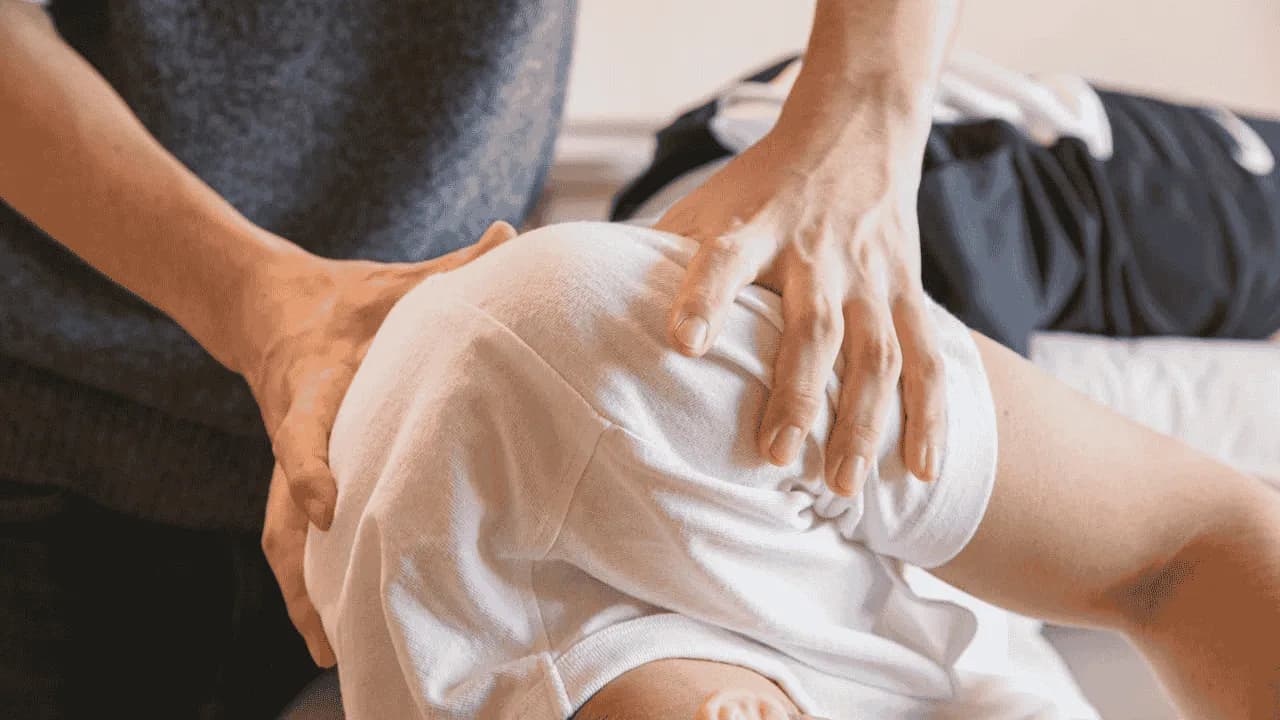
Massage gun trigger points: find and release knots in the right spots

Massage gun trigger point work only pays off if you find the right spot, stay on it briefly and move the muscle afterwards. Most people do the opposite: they hunt for the most painful point, press the bullet head into it for minutes and then wonder where the bruises came from. In this guide you get my 3-step method, a body map of the 8 places where knots turn up most often, a dedicated section on the glutes, clear hold times for each attachment and the signs that tell you to stop. I will also be straight with you about what the research knows about trigger points, and what it does not.