


Release Trigger Points & Knots: How to Find the Right Spots with Your Massage Gun
Trigger Points & "Knots": What Are They, Really?
You know that spot in a muscle that feels like a tiny knot — and when you press on it, it pulls? People call these trigger points or just "knots." They often show up from stress, too much sitting, repetitive strain, or hard training.
The good news: a massage gun lets you target exactly those spots — and feel noticeably looser afterward. The key is: find the right spots and don't overdo it.
How to Find the Right Spots (3 Steps That Always Work)
Step 1: Scan, Don't Guess (30–60 seconds)
Start on a low setting and slowly "scan" the area. You're not looking for maximum pain — you're looking for the spot that feels noticeably tight or uncomfortably on point.
Step 2: Hold, Breathe, Release (20–40 seconds)
Once you find the right spot: stay on it briefly (without pressing hard), breathe calmly, and let the device do the work. After 20–40 seconds you'll usually feel it "letting go."
Step 3: Move Afterward (20 seconds)
Right after, move the area through its range: roll your shoulders, open your hips, do a squat — whatever fits. That way you carry the looser feeling with you.
The Best Spots for Trigger Points (and How to Hit Them)
1) Neck / Shoulder (Upper Trapezius)
Perfect for desk-neck. Place the massage gun on the muscle between your shoulder and neck — but not on the front of the neck and not on vertebrae or bone. 30–60 seconds per side is usually enough.
2) Shoulder Blade Edge (Upper Back)
Many "knots" sit toward the shoulder blade. Work slowly along the edge (muscular, not bony). This can feel like instant relief.
3) Chest (Pecs) — When Shoulders Round Forward
If you sit a lot, your chest muscles are often tight. Keep the intensity low to medium and keep it short (30–45 seconds per side). Afterward, open and stretch your arms briefly.
4) Glutes / Side Hip
A classic for runners, footballers, and desk-sitters. Find the tight spot on your glute or side hip, hold briefly, then mobilize the hip (e.g. a lunge).
5) Front / Back of Thigh (Quads / Hamstrings)
Great after leg day. You can work broadly here (60–90 seconds per side) and move briefly afterward (e.g. 5–8 bodyweight squats).
6) Calves (Gastrocnemius / Soleus)
When your calf feels "locked up": scan slowly, then 30–60 seconds per spot. Don't go directly on the Achilles tendon or ankle.
How Long & How Often? (So It Works Without Overdoing It)
A good rule of thumb: most people use a massage gun 3–6x per week for 5–10 minutes per muscle group. Short sessions are often enough to release tension or boost recovery. The key is: consistent over rare-but-intense.
Dos & Don'ts (The Most Important Rules)
| Do | Don't |
|---|---|
| Stay on muscle tissue (soft) | Use on bones, joints, or the spine |
| Start low, then increase | Max setting as your default |
| 20–60 seconds per spot | Camping on one spot for several minutes |
| Pleasantly firm — but controlled | Treating pain as "success" |
| Move briefly afterward | Going completely stiff again right after |
When to Stop (and Get It Checked Out)
- Sharp, stabbing pain instead of "pleasantly firm"
- Numbness, tingling, or radiating pain
- Acute injury, swelling, or inflammation
- When you're unsure whether you should treat the area at all
Bottom Line: Releasing Trigger Points Is Less About Force — More About Technique
You don't need brutal intensity to hit trigger points. The key is: find it, hold briefly, breathe, then move. Build that into a small daily routine and you'll feel noticeably looser — whether you train hard or just carry desk-load.
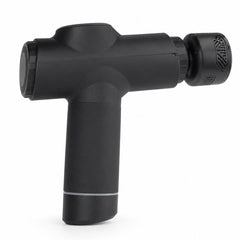
The product: Want to check out a massage gun? Find it here: View Product
Why Ractiveone?
- 30-day risk-free trial — try it completely stress-free.
- Free delivery
- 24/5 customer service
- Proven in daily life — used by over 10,000 people.
Note (important):
A massage gun is a wellness and recovery tool and does not replace medical advice. If you have health concerns, pre-existing conditions, or any uncertainty, please check with a medical professional before use.