


Recovery Boots VS Classic Massage: What Actually Gets You Further After Training?
Recovery Boots VS Massage: Why the Question Is Worth Asking
After a workout, you want one thing: faster recovery, less heavy legs, and the ability to perform again the next day. That's where most people land on two classics: Recovery Boots (air compression) or classic massage.
The truth is: both can be great — but they don't always fit your lifestyle, budget, or training schedule equally well. Here's the straight comparison so you can decide what actually works better for you.
What Recovery Boots Actually Do
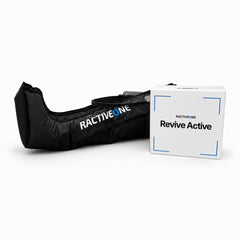
Recovery Boots work with intermittent air compression. The boots fill chamber by chamber with air, build up pressure, then release — like a rhythmic, even pressure massage over your legs.
Many people use them to boost circulation, ease tension, reduce soreness, and get that "lighter legs" feeling — especially after hard sessions or long days of sitting or standing.
Learn more (study on intermittent compression, PMC)
What Classic Massage (Really) Does
Massage is the classic recovery tool: hands, pressure, kneading, trigger points, loosening up — and afterwards you often feel brand new. Many find massage especially effective because it doesn't just work the muscles, it can also dial down stress.
Also: if you have someone who's really good at it, that feeling is hard to beat. Meta-analyses show that massage after intense training can noticeably reduce muscle soreness and even support performance markers — depending on the setting and study.
Learn more (meta-analysis massage & DOMS, PubMed)
Direct Comparison: What Fits You Better?
| Factor | Recovery Boots | Classic Massage |
|---|---|---|
| Effort | Put on the boots, press start, done | Find a slot, travel there or book online |
| Consistency | Perfect for a routine (even several times a week) | Often less frequent (time / cost / availability) |
| How you feel after | Light legs, "flushed out", relaxed | Loose, warm, often deeply "released" |
| Timing | Perfect right after sport or in the evening at home | Great when you want to target specific problem areas |
| Focus | Broad coverage: legs/feet evenly | Targeted: trigger points / adhesions / "hot spots" |
When Recovery Boots Are Usually the Better Choice
- You want recovery as a routine: 15–45 minutes, easy to fit in alongside other things.
- You train often (or have a busy life) and want to be "ready" again fast.
- You often have heavy legs after the office, travelling, or long periods of standing.
- You want to be independent and not have to schedule appointments every time.
When Massage Is Usually the Better Choice
- You have specific problem areas that really need targeted attention.
- You love the hands-on feeling and want to fully switch off.
- You need guidance (e.g. if you're not sure where your tension is coming from).
The Best Hack: Combine Instead of Choose
If you're smart about it, "either or" isn't necessary at all. Many people do really well with:
- Recovery Boots 2–5x per week as a base routine
- Massage 1–2x per month (or after especially tough phases) as a "deep reset"
That way you have consistency day-to-day — and still get the full pro treatment every now and then.
Bottom Line: What Works Better for You?
If you want recovery that's simple, regular, and stress-free to build into your life, Recovery Boots are the clear favourite for most people. If you'd rather target specific areas and love the hands-on feeling, massage is hard to beat.
In the end, what counts is: what you actually use. Because the best recovery is the one you stick with consistently.
Check it out: If you want to try Recovery Boots (including a bundle option), find them here: View product
Why Ractiveone?
- Try it risk-free for 30 days — completely stress-free.
- Free shipping
- 24/5 customer support
- Proven in everyday life — used by over 10,000 people.
Note (important):
Recovery Boots are a recovery tool and are not a substitute for medical advice. If you have any health concerns, pre-existing conditions, or uncertainties, please check with a medical professional before use.