Gifts for athletes 2026: recovery ideas by need and budget
Gifts for athletes work best when they fit the person's training and daily life. A runner needs something different in winter than a lifter, and a five-a-side player needs something different from someone with heavy legs after eight hours at a desk. This guide sorts Christmas gift ideas by need and budget, from a foam roller under £30 to recovery boots.
For every idea you will find what it does, what the studies say, who it suits and who it does not. Where the evidence is weak, we say so plainly. And quite often a cheap gift is all anyone needs.
Good gifts for athletes support what already works: sleep, food, fluids and a training plan with rest days. How those basics fit together is covered in our complete guide to muscle recovery after a workout. This article answers the question that matters in December: what do you give whom, and does it actually help?
How do you pick the right gift for an athlete?
Ask three questions before you buy anything. First: what sport do they do, and how often? Second: what bothers them after training or during the day? That might be tired legs, a stiff neck or poor sleep. Third: how much do you want to spend?
The answers sort the ideas almost by themselves. Someone who runs three times a week wants something different from someone who plays football once a month. And a person who sleeps badly gets more from a darker bedroom than from a massage device.
How to read the evidence ratings in this article
Moderate: several studies pooled in a meta-analysis, with small but measurable effects. A meta-analysis is a study that combines the results of many single studies. Weak: few or inconsistent studies. No recovery effect: useful, but for other reasons, such as safety.
The budget bands are rough guides: under £30, £30–100 and over £100 (similar in euros). Prices vary by shop and model.
What should you buy a runner?
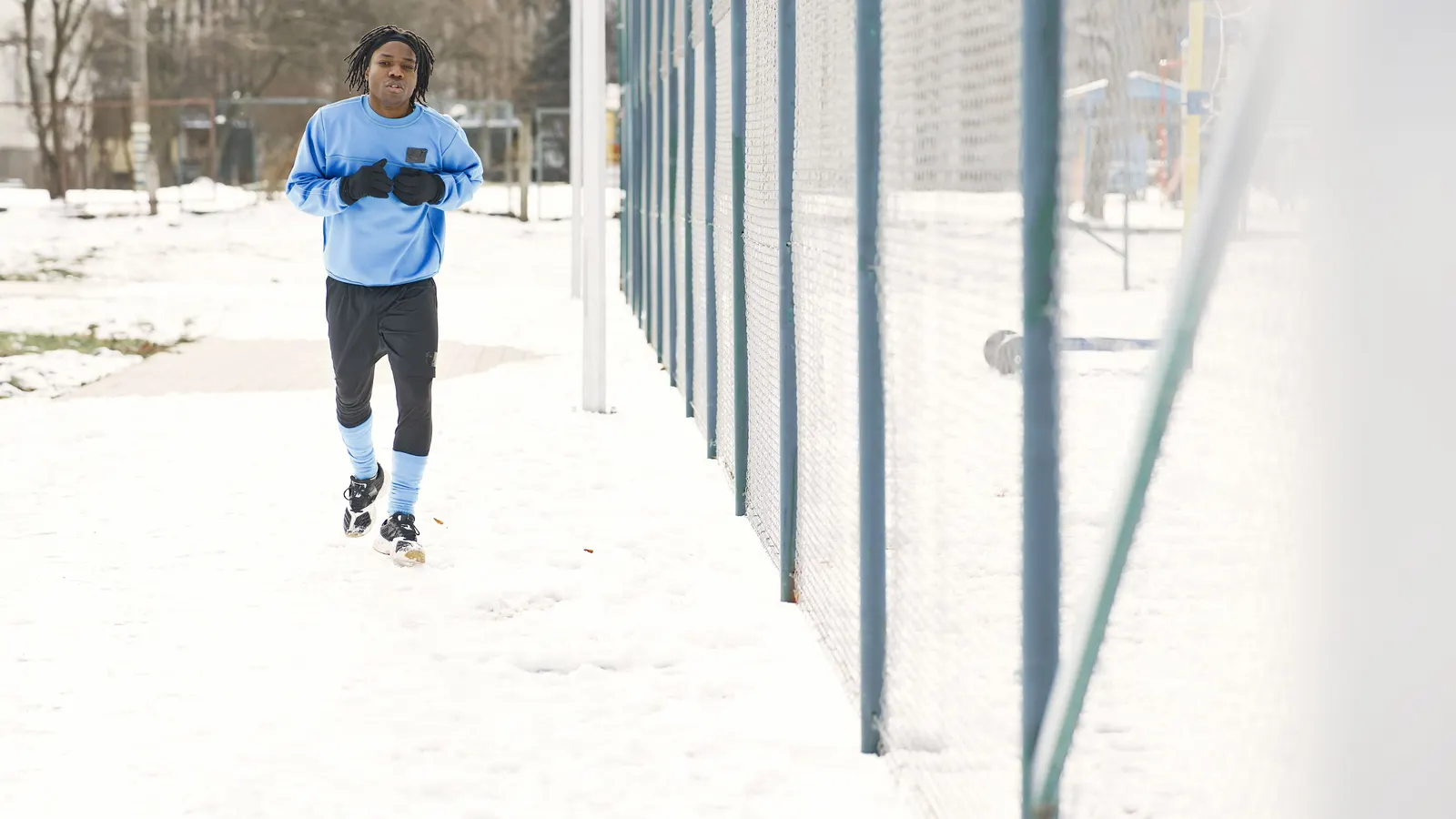
Runners often train in the dark in winter. Many have tired calves and thighs after the long run at the weekend.
Head torch or running light (£30–100). Not a recovery gift, but perhaps the most useful winter present. A bright light plus reflective details on a vest or shoes make you visible to drivers and cyclists. Look for a strap that does not bounce while running. Suits: anyone who runs before or after work. Does not suit: people who only use a treadmill.
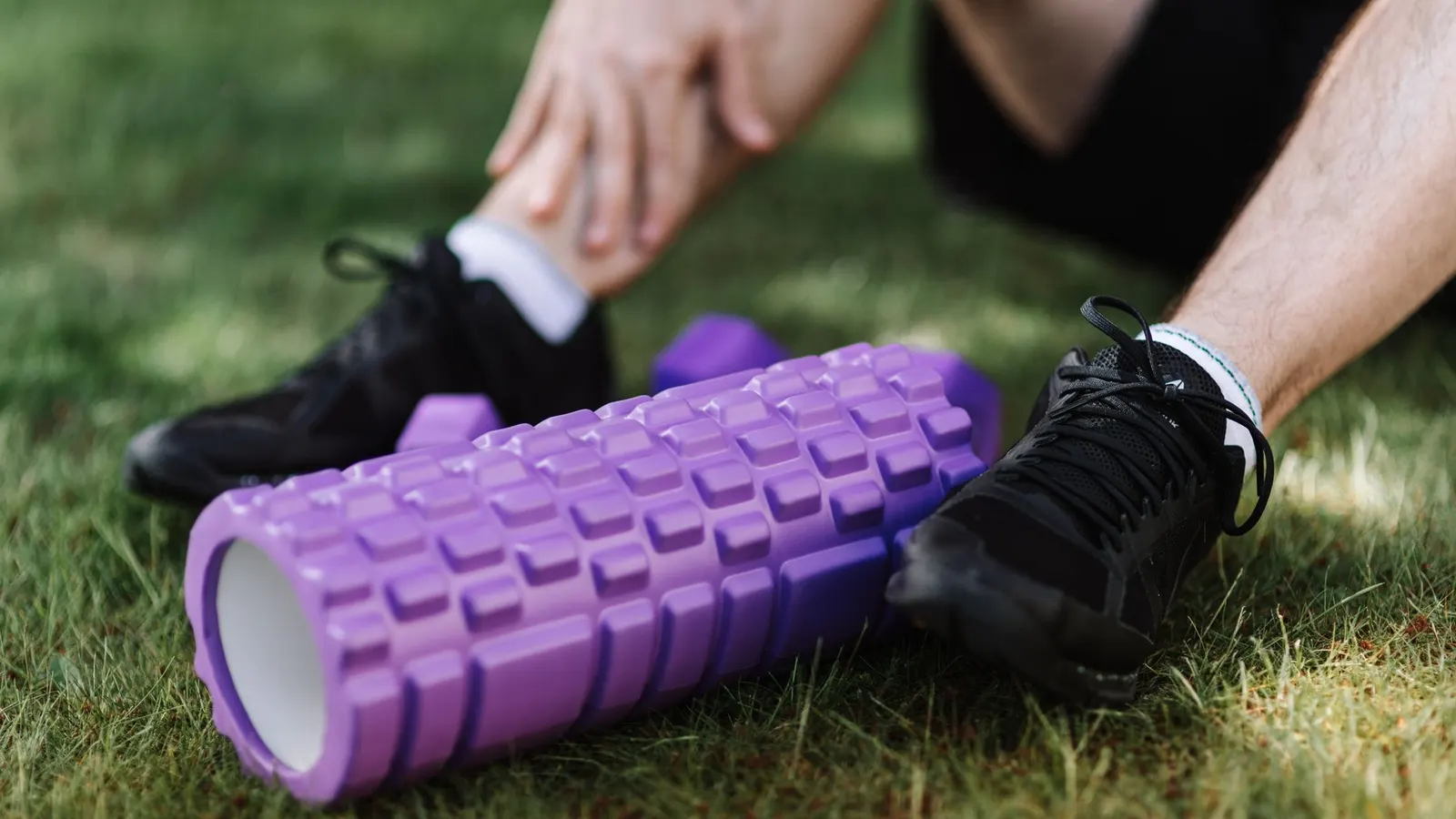
Foam roller (under £30). You use it as self-massage: you roll your body weight over the muscle. A meta-analysis of 21 studies found small effects. Rolling before training improved flexibility by about 4 percent. Rolling after training slightly reduced how much the muscles hurt. The authors rate the effects as minor overall and see the roller more as a warm-up tool than a recovery tool (Wiewelhove et al. 2019). Evidence: moderate. For many runners it is still the best value gift.
Compression socks (£30–100). They squeeze the calf gently from the outside. A meta-analysis of 23 studies found small benefits for the recovery of strength and performance, strongest after resistance training (Brown et al. 2017). Watch the size: it usually depends on calf circumference, not shoe size. Evidence: moderate.
Recovery boots (over £100). These are leg sleeves that fill with air and then release it in turns. The technical term is intermittent pneumatic compression. A meta-analysis of 17 studies with 319 participants found trivial to small benefits for muscle function. The effect on perceived soreness was clearer. Typical sessions lasted 20 to 30 minutes at about 80 mmHg (Maia et al. 2024). Evidence: weak to moderate. Whether they are worth it for running is covered in compression boots for runners and marathons.
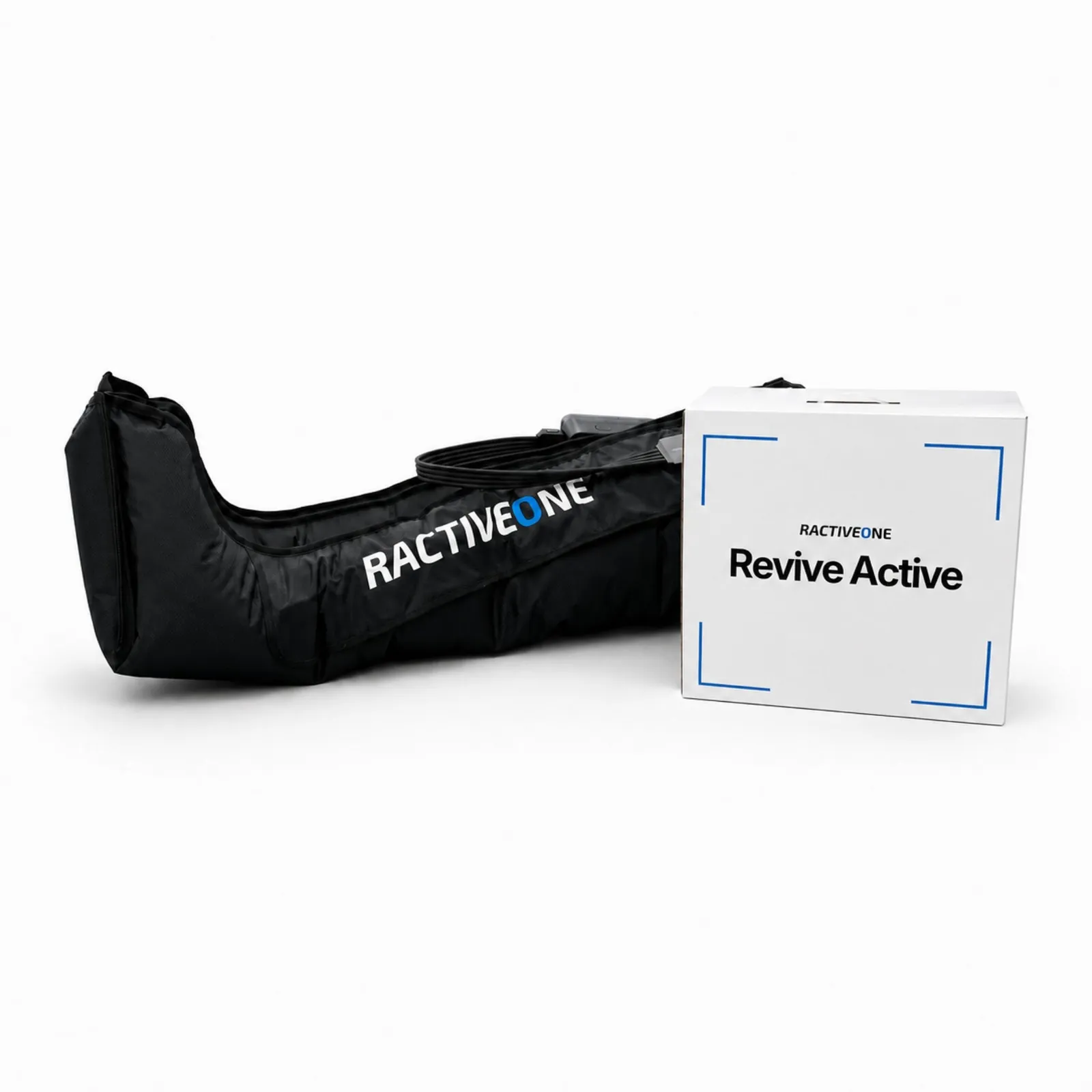
Revive Active recovery boots
4 air chambers from foot to thigh, 7 pressure levels from 30 to 240 mmHg, 5 modes and 15, 30 or 45 minutes. The battery controller runs for up to 180 minutes.
Transparency note: Ractiveone sells the Revive Active and the other own products in this article. We give their specifications openly and say where a cheaper option is enough.
What should you buy a cyclist?
Cyclists mainly load their thighs, often for hours. In winter many ride indoors on a turbo trainer and sweat a lot.
Good bottle or electrolyte powder (under £30). It sounds dull, but it is useful. The American College of Sports Medicine advises drinking enough during exercise to avoid losing more than 2 percent of body weight through sweat. Because sweat rates differ so much, everyone should find their own amount (ACSM 2007). Evidence: good for drinking itself, none for any particular product.
Compression socks or tights (£30–100). In the meta-analysis by Brown et al. (2017), after endurance exercise, a large benefit appeared for only one measure: cycling performance the next day. That is an interesting hint for cyclists, but only one part of the results.
Recovery boots (over £100). For riders with long weekend rides they are an option, with the same evidence as above. Anyone who trains a lot and wants more programmes or zone control can look at the Revive Active Pro with 8 air chambers. According to the manufacturer it works with up to 260 mmHg. Most recreational athletes are fine with the standard model. More on recovery for riders in cycling recovery for tired legs.
What should you buy someone who lifts weights?
Lifters know muscle soreness and tight shoulders well. They also want recovery that does not slow down muscle growth.
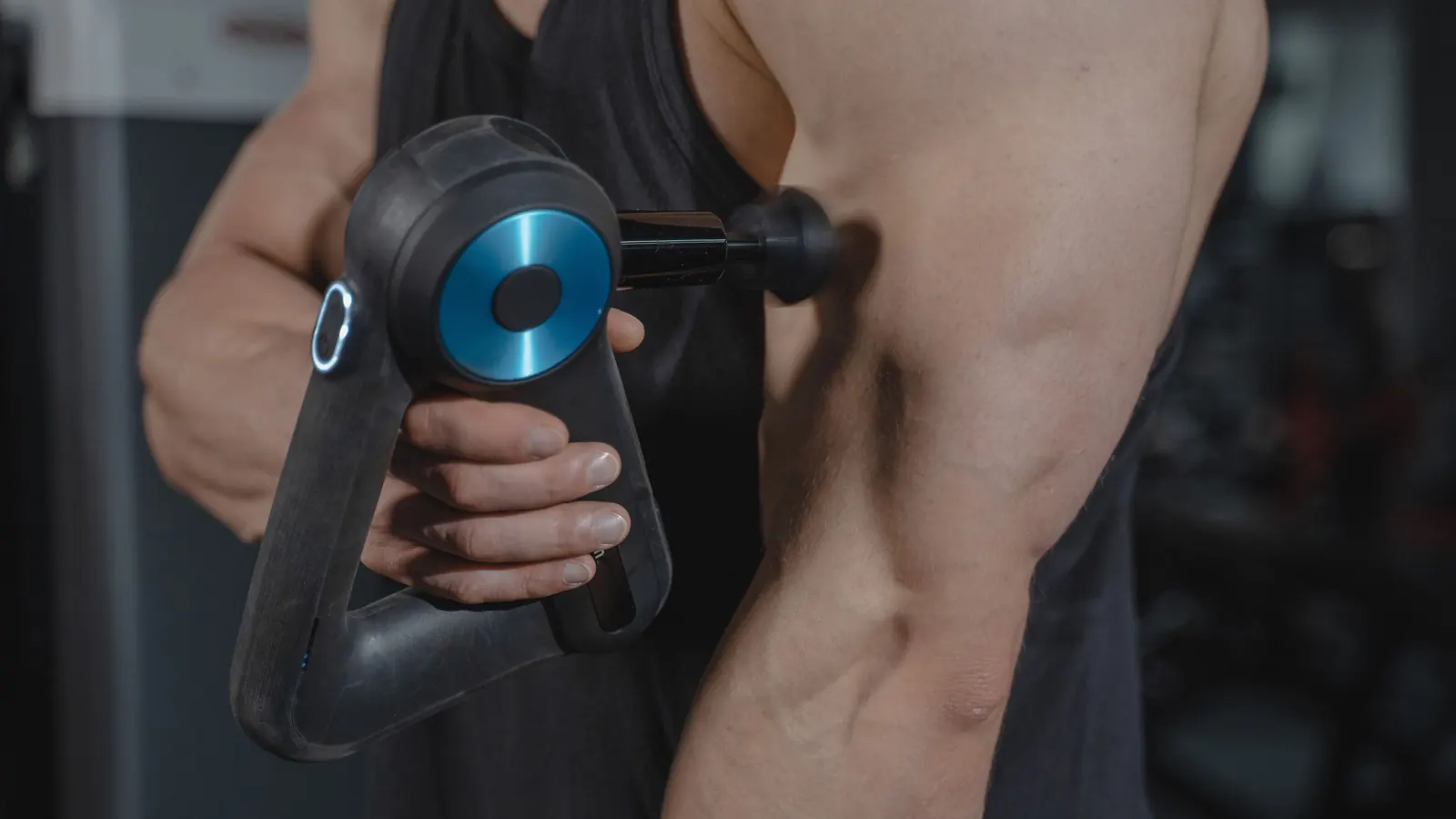
Massage gun (over £100). It taps the muscle quickly with an attachment. This is called percussion. A systematic review of 11 studies found more flexibility and less stiffness in the short term. Before training, the authors saw no benefit for strength, jumping or speed, and sometimes a drop (Ferreira et al. 2023). Evidence: weak. The Revive Pulse Pro with heat and cooling head has 5 speeds, 5 attachments and weighs about 776 g. It stops automatically after 15 minutes.
Compression garments (£30–100). For lifters the evidence is actually strongest here. The meta-analysis found the largest effects for strength recovery after resistance training, especially after more than 24 hours (Brown et al. 2017). A low-cost gift with good arguments.
Heat rather than ice. Regular, intense cooling straight after strength training may hold back muscle growth. Read more in our recovery protocol for bodybuilding and strength training.
What should you buy footballers and other team-sport players?
After a match the legs feel heavy and there may be knocks. Many amateurs play on Sunday and are back at work on Monday.
Massage or physio voucher (£30–100). Often the best gift on this list. A meta-analysis of 29 studies with 1,012 participants found no benefit for strength, sprinting or endurance. But massage slightly improved flexibility and eased muscle soreness (Davis et al. 2020). Evidence: moderate. A physio session also brings a professional view of any problem, which no gadget can replace.
Foam roller (under £30). Fits in any kit bag and works mainly as part of a warm-up, as described above.
Vibra Grip (over £100). A compact device with a fine tip for single tight spots. The Vibra Grip for targeted trigger point massage has, according to the manufacturer, 10 vibration levels, heat at 40, 45 and 50 °C and cooling at 15, 10 and 5 °C. It weighs 600 g. Evidence: weak. There are no studies on devices of this kind. What is known about vibration is explained in vibration massage benefits and how to use it. Match-day tips are in football recovery after a match.
What helps office workers with heavy legs or a stiff neck?
Not everyone who would enjoy a recovery gift is an athlete. Many people sit all day and have heavy legs or a tense neck in the evening.
Everyday compression stockings (£30–100). A simple solution for long days of sitting or standing. If you have vein problems, let a doctor choose them.
Heat for the neck (over £100). The Thermo Flex with heat and cold settings warms in three levels at 38, 40 and 42 °C and cools at 15, 10 and 5 °C, according to the manufacturer. A strap holds it on the neck, shoulder or back, hands-free. Many people find heat pleasant for tension, but the research is limited; more in heat for neck tension. Cheaper option: a wheat bag under £30.
Recovery boots (over £100). They can feel pleasant after a long day at the desk. The studies, however, were mostly done with athletes. How people use them in daily life is shown in heavy legs after office days.
What should you buy gamers and night owls for better sleep?
Sleep is the base of all recovery. An expert consensus notes that many elite athletes regularly sleep less than 7 hours a night. The experts recommend looking at each person's sleep needs individually (Walsh et al. 2021). Why sleep matters for muscles is explained in sleep and muscle recovery.
Eye mask (under £30). In one study, 94 young adults wore an eye mask every night for a week. Afterwards they did better on learning tests and were more alert than in the week without a mask (Greco et al. 2023). Evidence: weak to moderate, but cheap and low-risk.
Blue light glasses (£30–100). They filter the blue light from screens that can keep your body clock awake. Here we are especially careful. A Cochrane review of 17 randomised trials concluded that the effect on sleep is unclear (Singh et al. 2023). A meta-analysis found mixed, rather small effects, clearest in people with sleep problems (Shechter et al. 2020). Evidence: weak. The red blue light glasses for the evening filter all blue light, according to the manufacturer, and are meant for the 1 to 2 hours before bed. The orange blue light glasses for screen days filter 99 percent and are meant for longer wear during the day. Both weigh 20 g and have no prescription. The full research is in blue light glasses and sleep: do they work.
Humidifier (over £100). Central heating often makes winter air dry. A review describes that higher humidity in offices may ease dry eyes and improve how fresh the air feels (Wolkoff 2018). Too much moisture, on the other hand, encourages mould. The Aero Pure Deluxe humidifier has a 5-litre tank, runs below 35 dB according to the manufacturer and can be set between 45 and 80 percent. Sensible bedroom values are in ideal bedroom humidity for sleep. Evidence: weak for sleep. A hygrometer under £30 tells you first whether the air is really too dry. A full evening routine for long gaming nights is in gaming, sleep and neck routine.
All gift ideas compared
| Idea | Suits | Budget | Evidence |
|---|---|---|---|
| Foam roller | runners, team sport, everyone | under £30 | moderate, small effects |
| Eye mask | gamers, shift workers, everyone | under £30 | weak to moderate |
| Bottle, electrolytes | cyclists, runners | under £30 | good for drinking itself |
| Head torch, running light | winter runners | £30–100 | no recovery effect, safety |
| Compression socks | lifters, cyclists, runners | £30–100 | moderate, small effects |
| Massage or physio voucher | team sport, everyone | £30–100 | moderate for soreness |
| Blue light glasses | gamers, screen workers | £30–100 | weak, inconsistent |
| Massage gun | lifters, team sport | over £100 | weak, short-term flexibility |
| Vibra Grip | single tight spots | over £100 | weak, no device studies |
| Thermo Flex | office, neck, back | over £100 | weak to limited |
| Humidifier | dry heated air | over £100 | weak for sleep |
| Recovery boots | high-mileage runners, cyclists, leg days | over £100 | weak to moderate, mainly soreness |
"The best gift is the one that actually gets used. So I always ask first what someone already does after training. If they already roll, they may enjoy something more. If they have never done anything for recovery, start small."
Daniel Volpe, coachWhat should you check before you buy?
A few points decide whether the gift fits or goes back:
- Recovery boots: measure inside leg length standing, from the floor to the crotch. Revive Active: S/M up to 84 cm, L from 85 cm. Revive Active Pro: Medium up to 89 cm, Large from 90 cm.
- Strong thighs: for Revive Active there is a separately sold extension that adds up to about 10 cm of circumference.
- Compression: recovery boots are not suitable with thrombosis, heart failure, heart rhythm disorders, severe circulation problems or loss of feeling in the legs. The full list is in who should not use compression boots.
- Massage gun: not on bones, joints, the front of the neck, wounds or fresh injuries. Details in where not to use a massage gun.
- Compression socks: choose by calf circumference, not shoe size.
- Blue light glasses: they have no prescription. If the person wears glasses, check this first.
When you buy online in the EU, you usually have 14 days from delivery to cancel the purchase (Your Europe).
Who are recovery gifts for, and who are they not for?
Good fit: people who train regularly and feel tired legs, soreness or tension after hard sessions. There are also small ideas for anyone who sits a lot or sleeps badly.
Less suitable: expensive devices for people who rarely exercise. A foam roller or a voucher is often the better choice. Not suitable: compression and massage devices with the contraindications above, during pregnancy without medical approval, and with fresh injuries. Pain that does not go away needs a doctor, not a gadget.
Conclusion
The best gift for an athlete fits their sport, their niggles and your budget. A foam roller, compression socks and a massage or physio voucher are cheap and the best supported, even though the effects are small. Recovery boots, massage guns and similar devices are mainly worth it for people who train often and hard, and they help mostly with how sore you feel. No gift replaces sleep, rest days and, if symptoms persist, a visit to your GP.
Frequently asked questions
What is a good Christmas gift for an athlete?
What recovery gift is worth it under £30?
Are recovery boots a good gift?
Is a massage gun a good present?
What can I buy a gamer for better sleep?
Which size of recovery boots should I buy as a gift?
Can I return a gift bought online?
Sources
- Wiewelhove, T. et al. (2019). A Meta-Analysis of the Effects of Foam Rolling on Performance and Recovery. Frontiers in Physiology, 10, 376.
- Brown, F. et al. (2017). Compression Garments and Recovery from Exercise: A Meta-Analysis. Sports Medicine, 47(11), 2245–2267.
- Maia, F. et al. (2024). Effects of lower-limb intermittent pneumatic compression on sports recovery: A systematic review and meta-analysis. Biology of Sport, 41(4), 263–275.
- Davis, H. L., Alabed, S., Chico, T. J. A. (2020). Effect of sports massage on performance and recovery: a systematic review and meta-analysis. BMJ Open Sport & Exercise Medicine, 6(1), e000614.
- Ferreira, R. M. et al. (2023). The Effects of Massage Guns on Performance and Recovery: A Systematic Review. Journal of Functional Morphology and Kinesiology, 8(3), 138.
- American College of Sports Medicine, Sawka, M. N. et al. (2007). Exercise and fluid replacement. Medicine & Science in Sports & Exercise, 39(2), 377–390.
- Walsh, N. P. et al. (2021). Sleep and the athlete: narrative review and 2021 expert consensus recommendations. British Journal of Sports Medicine, 55(7), 356–368.
- Greco, V. et al. (2023). Wearing an eye mask during overnight sleep improves episodic learning and alertness. Sleep, 46(3), zsac305.
- Singh, S. et al. (2023). Blue-light filtering spectacle lenses for visual performance, sleep, and macular health in adults. Cochrane Database of Systematic Reviews, 8, CD013244.
- Shechter, A. et al. (2020). Interventions to reduce short-wavelength (blue) light exposure at night and their effects on sleep: A systematic review and meta-analysis. Sleep Advances, 1(1), zpaa002.
- Wolkoff, P. (2018). Indoor air humidity, air quality, and health – An overview. International Journal of Hygiene and Environmental Health, 221(3), 376–390.
- European Union, Your Europe: Returning products bought online (last checked 28 April 2026).