Recovery after 40: using heat, cold and compression well
Recovery after 40 feels slower for a lot of people: soreness hangs around an extra day, your lower back is stiffer in the morning and Monday takes more effort after a hard weekend. The research, though, paints a more nuanced picture than “it's all downhill after 40”. Part of what we put down to age is really less movement, poorer sleep and badly dosed training.
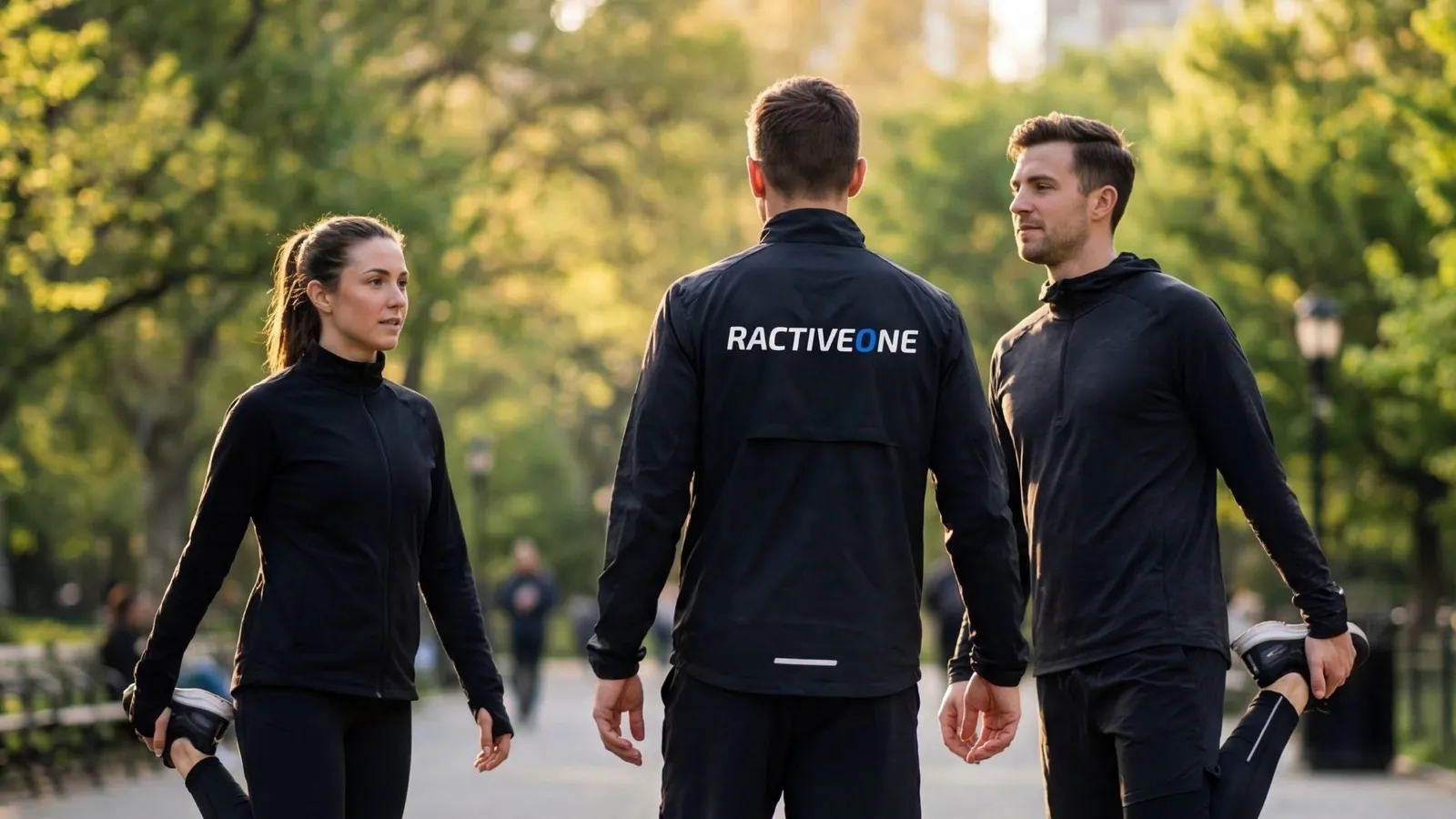
This article sorts out what genuinely changes after 40 and through the menopause, and shows when heat, cold and compression can help you and when they get in the way.
The basics of recovering from exercise are in our complete guide to muscle recovery after a workout. This article focuses on a group that guide only touches on: people over 40 who keep running, cycling, lifting or playing team sport, and women doing all of that during or after the menopause.
Do you really recover more slowly after 40?
It feels that way, but the science is less clear-cut. A review on ageing athletes names two plausible reasons: older muscle may be more prone to exercise damage and slower to repair. The authors also point out that many studies ignore how active their participants are, which makes it impossible to separate the effect of age from the effect of moving less (Fell and Williams 2008).
A later review reached a similar conclusion. The effect of age on performance and recovery may be smaller than once thought, and an increasingly sedentary lifestyle seems to play a bigger part. There are hints of slightly slower recovery after a hard session, but the evidence is thin (Borges et al. 2016).
What this means for you
If you train regularly, you keep much of your capacity. It becomes manageable when you space out hard sessions and take your body's signals more seriously than you did at 25.
What changes during the menopause?
Hormonal change affects every woman differently. Some notice little in training, others deal with poorer sleep, hot flushes or night sweats. That has an indirect effect on recovery: if you sleep badly, you'll feel tired for longer after hard sessions. Why sleep matters so much for recovery is explained in sleep and muscle recovery.
What helps maintain muscle and bone is well established. The NHS recommends weight-bearing activity such as walking, running or dancing during the menopause, plus strength or resistance work. A meta-analysis of 12 controlled trials found that resistance training produced clear gains in strength and aerobic fitness in healthy postmenopausal women. Results on bone density were less clear. As a starting point, the authors suggest three 60-minute sessions a week (González-Gálvez et al. 2024).
Heat, cold and compression don't change the menopause itself. They can make the training week more comfortable. If symptoms are affecting your life, your GP is the right person to see, not a gadget.
The basics come before any device
The World Health Organization recommends 150 to 300 minutes of moderate or 75 to 150 minutes of vigorous aerobic activity a week for adults, plus muscle-strengthening activity on at least two days. From 65, balance training on at least three days is added (Bull et al. 2020). For recovery after 40 that means in practice:
- strength training stays in the plan, for runners and cyclists too
- at least one easier day between two hard sessions for the same muscle group
- protect your sleep: regular times, a cool bedroom, screens off earlier
- easy movement on rest days rather than doing nothing
- build load over weeks, not over weekends
Once that's in place, heat, cold and compression are useful tools. Before that, they're cosmetic.
When does heat help?
With stiffness and tension. Heat increases blood flow and the elasticity of connective tissue. The overall evidence is limited, but in controlled trials heat wraps reduced acute lower back pain in the short term and relieved muscle soreness better than cold, as a review summarises (Malanga et al. 2015). Typical situations after 40:
- a stiff lower back in the morning before your warm-up
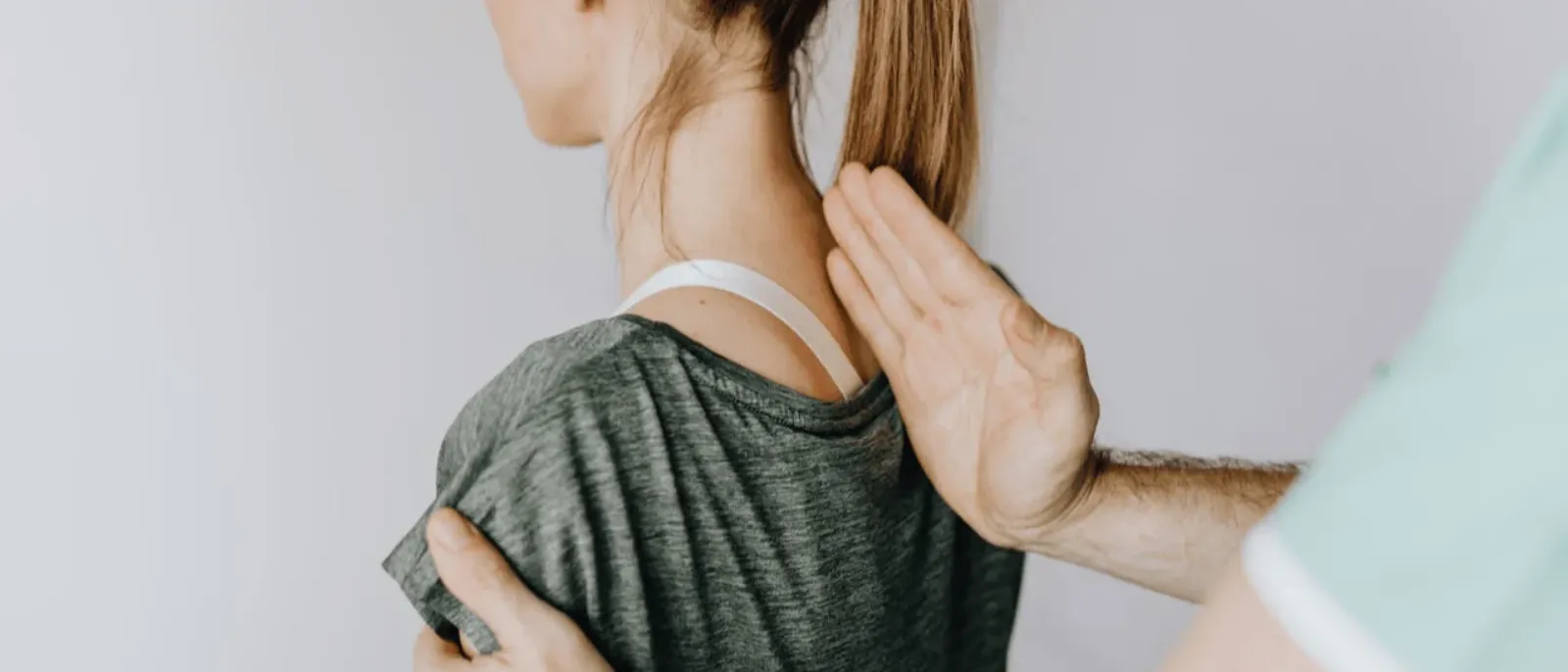
- a tight neck after a day at the desk, before you head to training
- winding down in the evening after a long day
The Thermo Flex with heat and cold settings heats in three levels of 38, 40 and 42 °C according to the manufacturer and straps onto your back, shoulder, knee or calf. You can use heat and cold on joints and the neck as well. The vibration function, though, belongs on muscles only, never on joints, the spine or the neck. Start on the lowest level. If you get hot flushes, heat can feel unpleasant. Then go shorter, lower or skip it.
When is cold useful, and when does it hold you back?
Cold suits knocks, bruises and acute overload, when an area is warm and irritated. It reduces pain, blood flow and swelling, even though controlled trials on it are limited (Malanga et al. 2015).
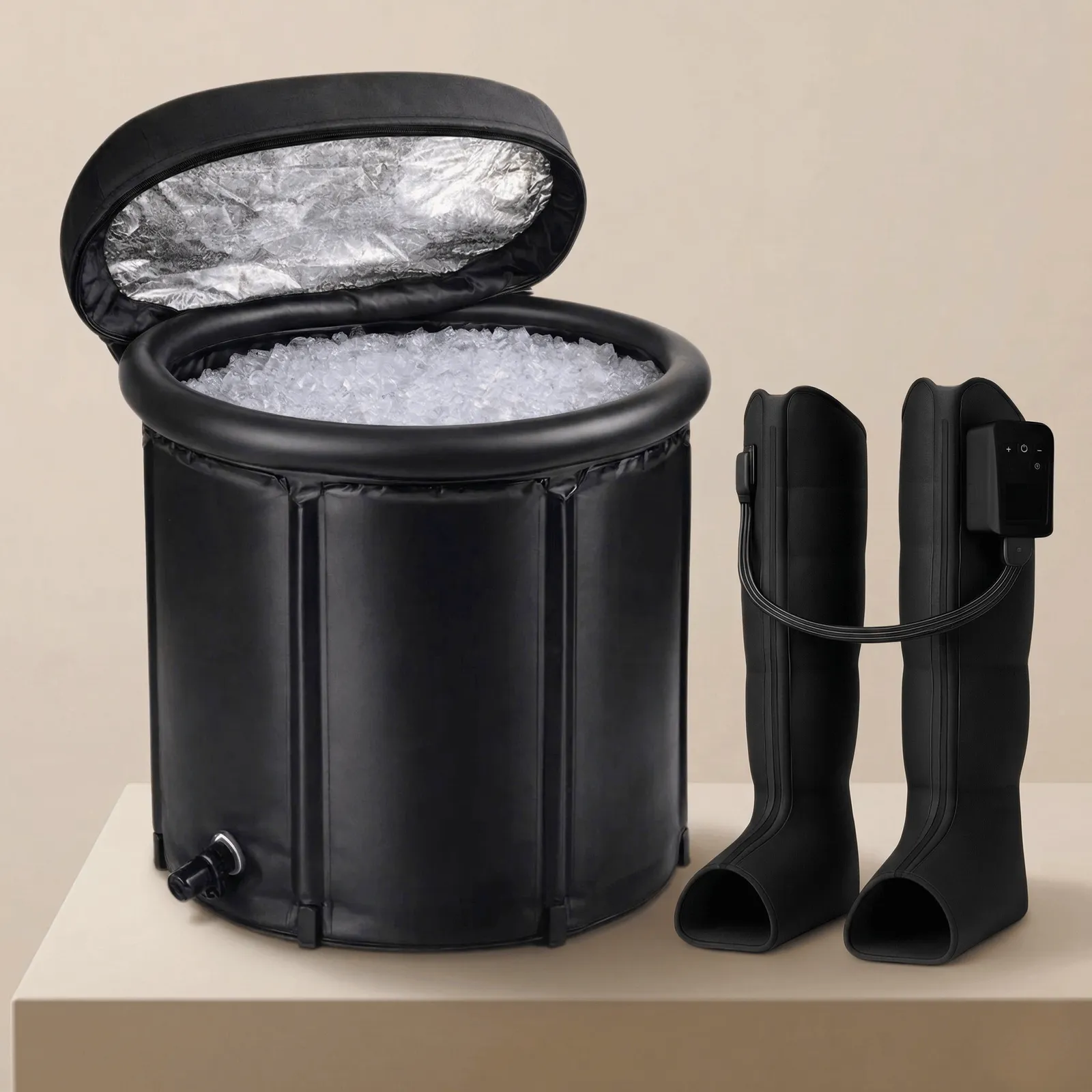
Be careful with regular cold straight after strength training. In one study, 21 active men did strength training twice a week for 12 weeks. Those who spent 10 minutes in cold water after every session gained less muscle and strength than the group doing an active cool-down (Roberts et al. 2015). An ice bath is more intense than a local cold pack, but the principle is worth knowing. After 40, when keeping muscle is a goal, only cool after lifting if something acutely hurts, not as a routine. The full evidence, including local cooling, is in cold therapy after a workout and muscle growth.
How to choose between heat and cold for each situation is set out in heat or ice for sore muscles. For alternating the two, there's a separate guide to contrast therapy.
“The athletes over 40 I coach rarely get injured because they recover too little. They get injured because after three weeks off they train on Saturday like they did ten years ago. The best recovery is a plan that stops that happening.”
Daniel Volpe, coachWhen is compression worth it?
After sessions that load your legs for a long time: the long run, a long ride, leg day, a match. A meta-analysis on compression boots found trivial to small benefits for muscle function and, above all, less perceived soreness. The usual protocol was 20 to 30 minutes at about 80 mmHg (Maia et al. 2024).
With the Revive Active compression boots you start on the lowest of the seven pressure levels and use them in the evening after the hard session. More than for younger athletes, check the contraindications first: thrombosis, heart failure, an irregular heartbeat, severe circulation problems or reduced feeling in the legs. The full list is in who should not use compression boots.
What a week can look like
| Day | Training | Recovery |
|---|---|---|
| Monday | full-body strength | no cold, easy walk in the evening |
| Tuesday | easy run or ride | heat for back or neck if stiff |
| Wednesday | strength | early night |
| Thursday | rest or mobility | heat to relax |
| Friday | shorter strength session | nothing special |
| Saturday | long run or long ride | 20–30 minutes in compression boots in the evening |
| Sunday | walk, family time | cold only for acute niggles |
Who this suits, and who should check with a doctor first
It suits anyone over 40 who trains regularly and wants to manage their week more deliberately, men and women, before, during and after the menopause.
Check first if you have heart or circulatory disease, high blood pressure, diabetes with reduced feeling in your hands or feet, circulation problems or vein conditions. If you can't feel heat and cold properly, you can burn yourself or get cold damage. And if your recovery gets noticeably worse over several weeks, see your GP.
Conclusion
After 40 you don't automatically recover badly, but you do need to plan training and recovery more deliberately: strength training on at least two days, hard sessions spaced out and sleep as a priority. Heat, cold and compression add to that for people who train regularly, as long as you match them to the situation and don't cool routinely after lifting. They replace neither the basics nor a doctor's view if you have symptoms, including during the menopause.
Frequently asked questions
Do you recover more slowly after 40?
What helps recovery after 40?
Is strength training good during the menopause?
Heat or ice after training over 40?
Are compression boots worth it over 40?
Can I use heat therapy if I get hot flushes?
Sources
- Borges, N. et al. (2016). Age-Related Changes in Performance and Recovery Kinetics in Masters Athletes: A Narrative Review. Journal of Aging and Physical Activity, 24(1), 149–157.
- Fell, J. & Williams, D. (2008). The effect of aging on skeletal-muscle recovery from exercise: possible implications for aging athletes. Journal of Aging and Physical Activity, 16(1), 97–115.
- González-Gálvez, N. et al. (2024). Resistance training effects on healthy postmenopausal women: a systematic review with meta-analysis. Climacteric, 27(3), 296–304.
- Bull, F. C. et al. (2020). World Health Organization 2020 guidelines on physical activity and sedentary behaviour. British Journal of Sports Medicine, 54(24), 1451–1462.
- Roberts, L. A. et al. (2015). Post-exercise cold water immersion attenuates acute anabolic signalling and long-term adaptations in muscle to strength training. Journal of Physiology, 593(18), 4285–4301.
- Malanga, G. A. et al. (2015). Mechanisms and efficacy of heat and cold therapies for musculoskeletal injury. Postgraduate Medicine, 127(1), 57–65.
- Maia, F. et al. (2024). Effects of lower-limb intermittent pneumatic compression on sports recovery: A systematic review and meta-analysis. Biology of Sport, 41(4), 263–275.
- NHS: Things you can do to help menopause and perimenopause symptoms (reviewed 19 May 2026).
- Ractiveone: Thermo Flex, specifications (manufacturer information), as of 15 October 2026.