Lymphatic Drainage Boots at Home: What They Can and Can't Do
Lymphatic drainage boots sound like a physio session on your sofa, but they are something different. Compression boots use rhythmic air pressure to push tissue fluid towards the trunk, and many people find their legs feel lighter afterwards. Manual lymphatic drainage, on the other hand, is a treatment given by specially trained therapists to people with lymphoedema, usually alongside compression bandaging, exercise and skin care.
This article keeps the two apart: what clinical guidance and research show about fluid movement, where the boots fit in sport and everyday life, and why lymphoedema should never be managed with them on your own.
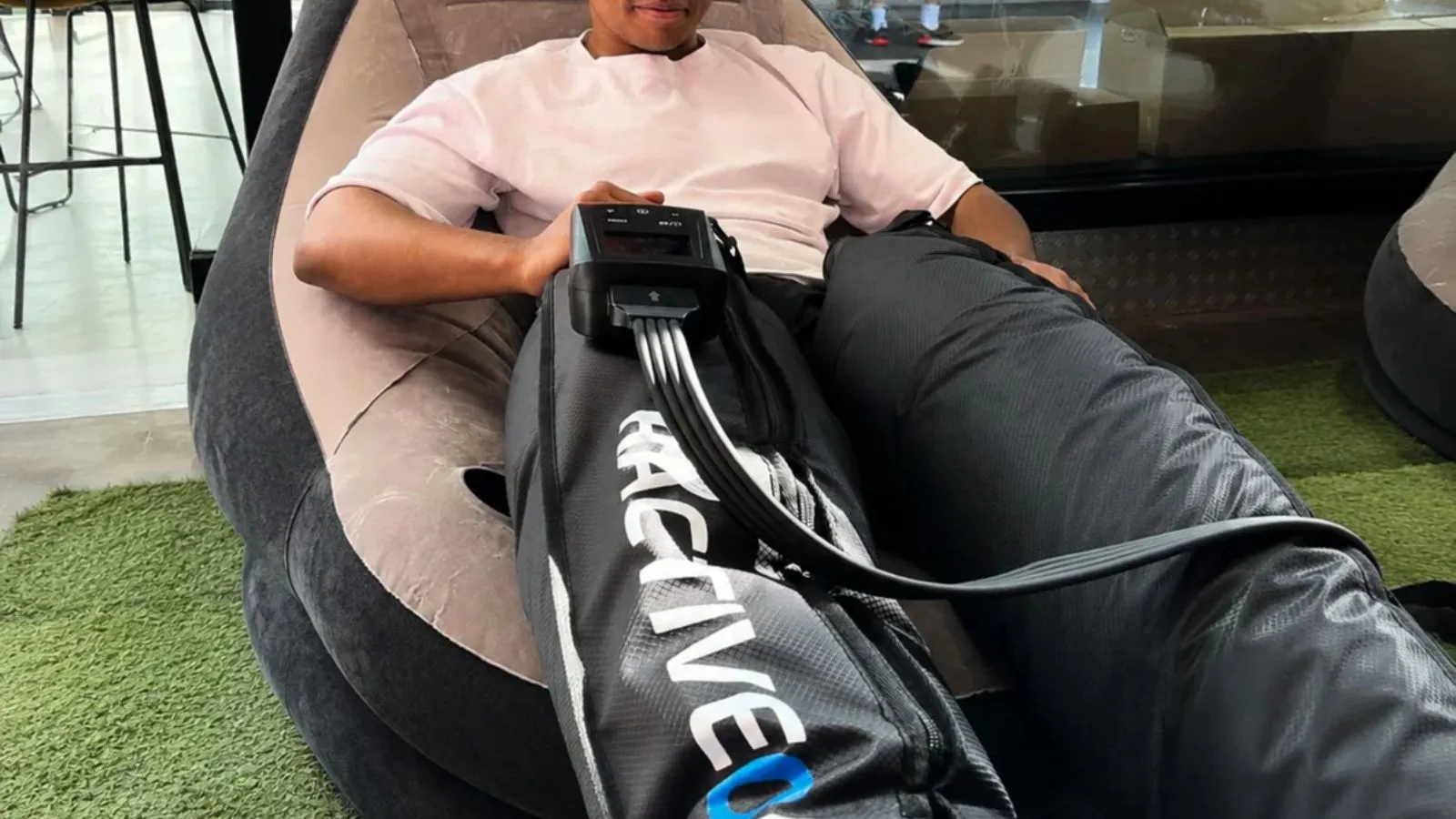
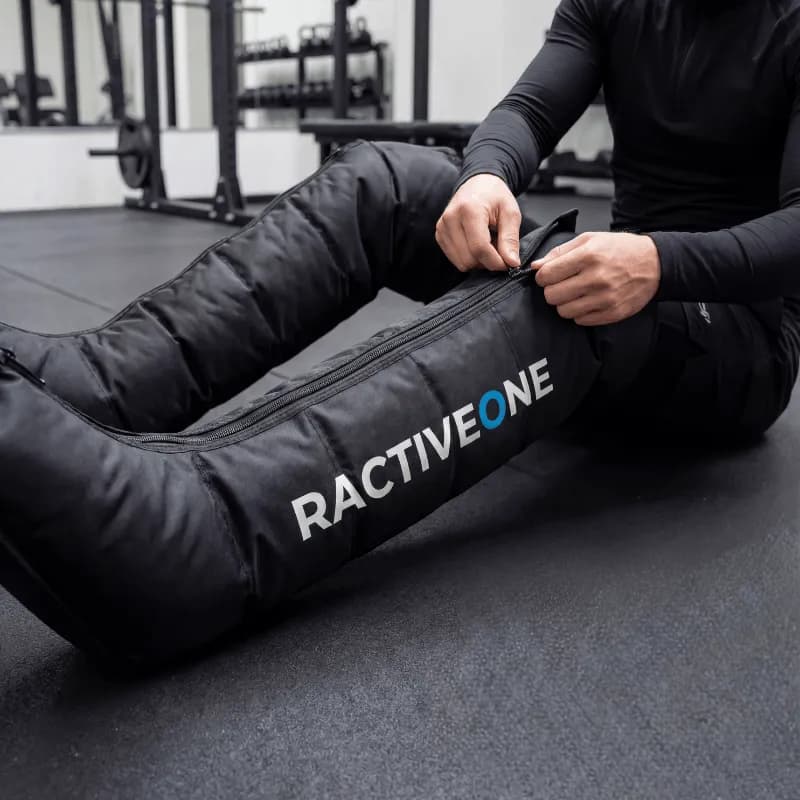
Compression boots use air chambers that fill one after another from the foot upwards and then empty again. Our guide on how compression boots work explains the principle in detail. Because the pressure wave travels in the same direction as a therapist's hands during lymphatic drainage, a lot of people searching for "lymphatic drainage at home" end up looking at boots. It's a fair question, and the answer needs a clear line between wellbeing and treatment.
Please note
Recovery boots such as the Revive Active are designed for recovery and wellbeing. They are not a substitute for manual lymphatic drainage or decongestive therapy. If you have swelling with no clear cause, lymphoedema or lipoedema, talk to your GP first.
What is manual lymphatic drainage?
Manual lymphatic drainage is a hands-on technique with slow, light, rhythmic strokes. It is given by therapists with specific training and is used mainly for lymphoedema and lipoedema, usually as part of decongestive therapy. Alongside the massage, that includes compression bandaging or garments, exercise and careful skin care.
The NHS lists the main ways lymphoedema symptoms are controlled: compression garments, good skin care, regular movement and exercise, and specialised massage techniques. There is no cure, but symptoms can usually be kept under control. That is the context for lymphatic drainage: a diagnosis, a stage and a treatment plan.
What do compression boots do with lymph and tissue fluid?
The German clinical guideline on pneumatic compression describes the mechanism like this: compression pushes tissue fluid in the spaces between cells towards the trunk (Schwahn-Schreiber et al. 2025). That matches what you notice when the sleeves feel looser at the end of a session and your legs feel lighter.
A study from Japan made lymph flow visible. The researchers marked lymph with a fluorescent dye and filmed through a transparent six-chamber sleeve as it moved through the superficial lymph vessels during compression. They looked at 8 healthy volunteers and 15 patients with lymphoedema (Kitayama et al. 2017). A second effect is well documented too: blood flow in the leg muscles rises during and shortly after compression (Zuj et al. 2018).
The guideline also sets out a limit. In lymphoedema patients, compression mainly moves water; no meaningful transport of protein has been shown. Where the fluid goes beyond the groin is also unclear (Schwahn-Schreiber et al. 2025). This is where a device differs from a therapist's hands, which clear the trunk first and work in a targeted way.
Manual lymphatic drainage vs compression boots
| Feature | Manual lymphatic drainage | Compression boots at home |
|---|---|---|
| Who does it? | a specially trained therapist | you |
| Basis | medical diagnosis and referral | none, but check contraindications |
| Technique | light hand strokes, including trunk and lymph nodes | air pressure wave from foot to thigh |
| Aim | managing lymphoedema and lipoedema | lighter legs, recovery, relaxation |
| Combined with | compression garments, exercise, skin care | training, rest days, everyday life |
What compression boots can do
For healthy people without an oedema condition, the boots are a pleasant tool. Realistic effects:
- Lighter legs: after long hours standing, sitting or travelling. Many people feel less heaviness after 20 to 30 minutes. A full after-work routine for desk and on-your-feet jobs is in heavy legs after work.
- Recovery after sport: a meta-analysis of 17 studies found small effects on muscle function and perceived soreness (Maia et al. 2024). Useful, not miraculous. What that looks like in practice is shown in our routines for cycling recovery after long rides and football recovery after a match.
- Relaxation: a fixed evening routine where you lie down and switch off.
For the usual causes of heavy legs and when compression fits, read our article on heavy legs and compression.
What compression boots can't do
- They don't treat lymphoedema or lipoedema and don't replace lymphatic drainage or compression garments.
- They don't detox. Claims about flushing out toxins have no scientific basis.
- They don't make legs permanently slimmer. If your legs look thinner after a session, fluid has moved, not fat.
- They don't find the cause. New, one-sided or lasting swelling needs a doctor.
"Swapping prescribed lymphatic drainage for boots because it's more convenient is the wrong call in my book. If you have a diagnosis, talk compression through with your specialist. For tired legs after a long run, a match or a shift on your feet, the boots are a good tool."
Daniel Volpe, coachLymphoedema: why going it alone is a bad idea
The guideline sees pneumatic compression as a possible add-on to decongestive therapy for lymphoedema, especially for arm or leg swelling that is worse towards the hand or foot and doesn't involve the trunk, and for people with limited mobility. Home use is possible, but with medical check-ups (Schwahn-Schreiber et al. 2025). The settings are very different from a recovery session: multi-chamber devices, pressures matched to the tissue and long inflation and deflation phases of around 50 seconds each.
There is also a risk that is hard to judge without training. If drainage is blocked, fluid can shift into the groin or genital area. The guideline says compression should then stop and the cause be investigated further. If you have lymphoedema, a specialist service is the right route, not a device from a sports shop.
When to get swelling checked
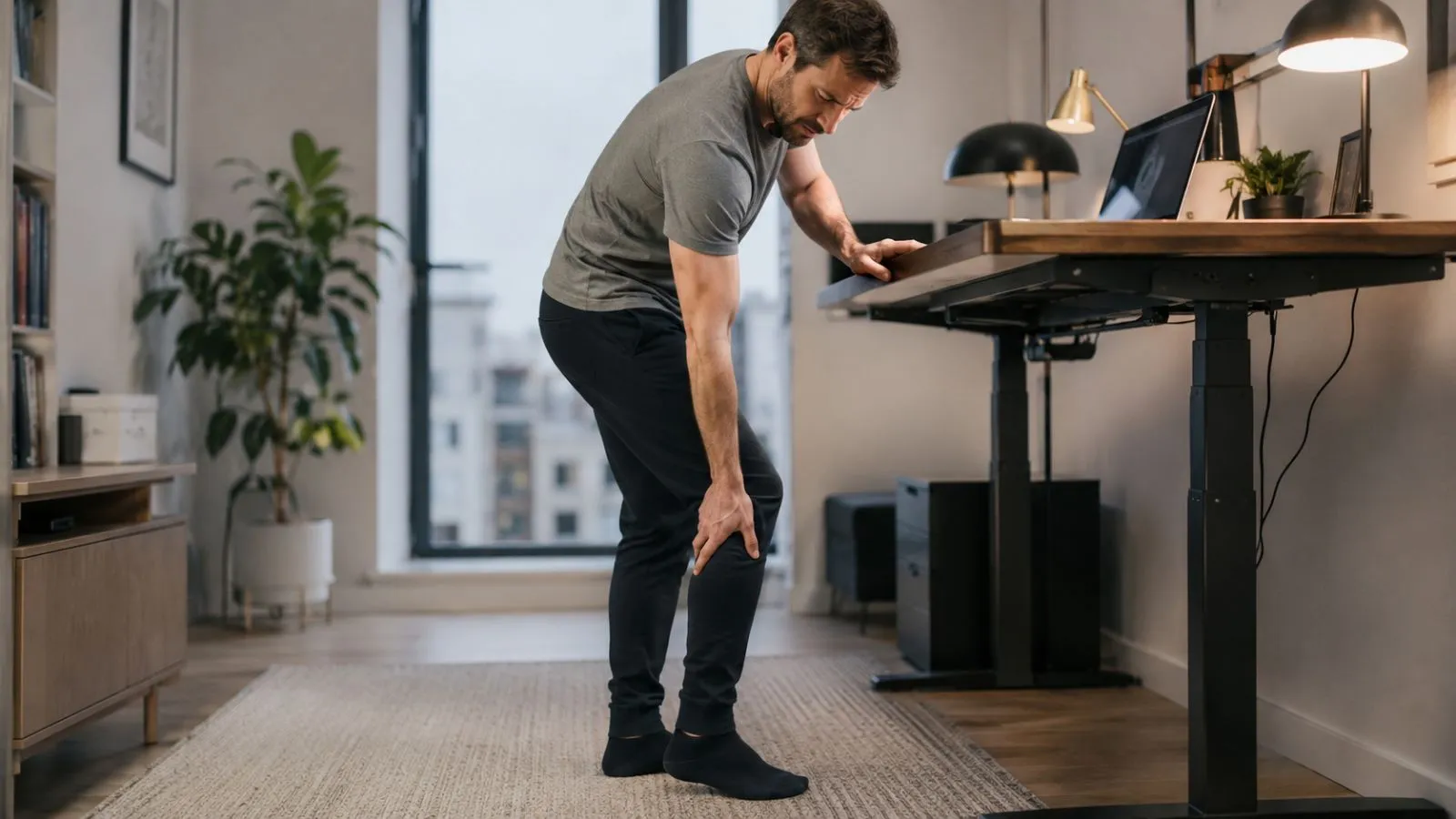
The NHS lists typical signs of lymphoedema: swelling in an arm or leg that may come and go and often gets worse during the day, an aching, heavy feeling, tight or thickened skin and repeated skin infections. If you notice any of these, see your GP, who can refer you to a specialist lymphoedema centre.
Other conditions that rule out compression boots are covered in our overview of who should not use compression boots.
"Lymphatic drainage" in product descriptions
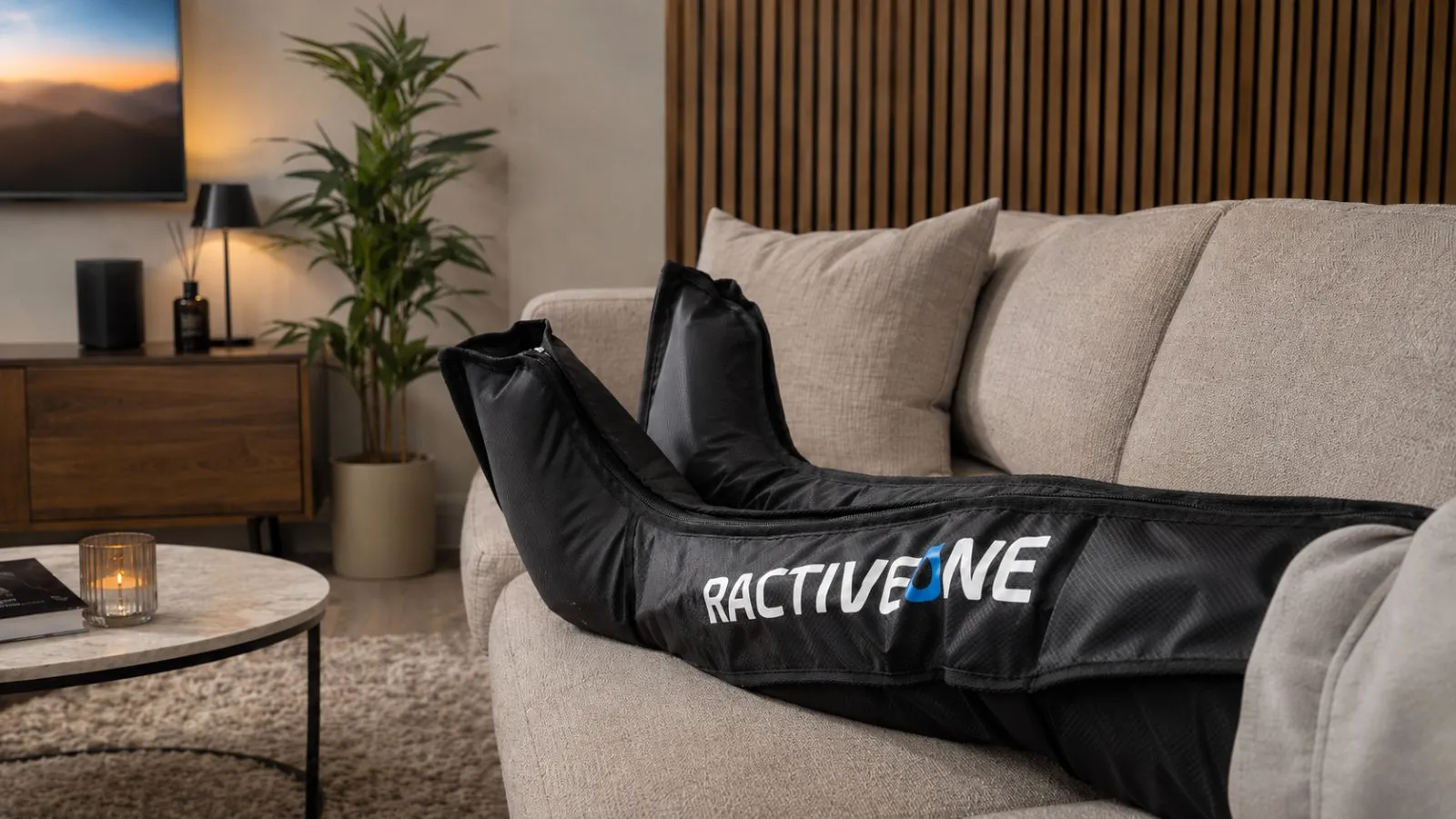
Several brands describe their boots as supporting lymphatic flow or compare them with lymphatic drainage massage. We deliberately don't describe the Revive Active as a lymphatic drainage device, but as a pleasant compression massage for recovery and lighter-feeling legs. Comparisons with lymphatic drainage refer at most to the principle, pressure that travels from the foot towards the trunk. They don't mean the boots are an equivalent treatment, whichever brand you look at. For the technical differences between models, from chambers to pressure range and programmes, see our compression boots comparison based on manufacturer data.
How to use compression boots for tired legs
- Lie down or recline with your legs slightly raised, so your feet aren't lower than your hips.
- Wear thin leggings or tracksuit bottoms under the sleeves.
- Choose a sequential mode that builds from the foot upwards.
- Start on a low level. The pressure should feel firm, never painful.
- Twenty to thirty minutes is enough. Sit for a moment afterwards and stand up slowly.
Pressure levels, frequency and timing are covered in our guide on how long and how often to use compression boots. The Revive Active with sequential mode and 7 pressure levels covers these settings.
Who compression boots at home suit
Suitable for
- runners, footballers and rugby players after long runs, matches or leg days
- people with tired legs after shifts standing or sitting
- frequent travellers after long flights or drives, with no underlying condition
Not suitable, or only after medical advice
- with lymphoedema, lipoedema or unexplained swelling
- with a blood clot or suspected clot, heart failure or PAD
- with infections or open wounds on the legs
- during pregnancy or on blood thinners
Conclusion
Compression boots move tissue fluid towards the trunk and can make heavy legs feel noticeably lighter, but they don't replace manual lymphatic drainage. They suit athletes and healthy people with tired legs who want a simple routine at home. With lymphoedema, lipoedema or unexplained swelling, your doctor decides on treatment and compression, not the device in your living room.
Frequently asked questions
Can compression boots replace lymphatic drainage massage?
Do lymphatic drainage boots actually work?
Can I use compression boots if I have lymphoedema?
How long should I use compression boots for heavy legs?
Do compression boots help with cellulite or weight loss?
Where can I get lymphoedema treatment in the UK?
Sources
- Schwahn-Schreiber, C. et al. (2025). S1-Leitlinie Intermittierende pneumatische Kompression (IPK, AIK). AWMF register number 037/007 (German clinical guideline). – Section 9.4 lymphoedema, recommendation 11; contraindications
- Kitayama, S. et al. (2017). Real-Time Direct Evidence of the Superficial Lymphatic Drainage Effect of Intermittent Pneumatic Compression Treatment for Lower Limb Lymphedema. Lymphatic Research and Biology, 15(1), 77–86.
- Zuj, K. A. et al. (2018). Enhanced muscle blood flow with intermittent pneumatic compression of the lower leg during plantar flexion exercise and recovery. Journal of Applied Physiology, 124(2), 302–311.
- Maia, F. et al. (2024). Effects of lower-limb intermittent pneumatic compression on sports recovery: A systematic review and meta-analysis. Biology of Sport, 41(4), 263–275.
- NHS: Lymphoedema, symptoms and treatment (accessed 15 Oct 2026)
- Ractiveone: Revive Active product information (manufacturer data, accessed 15 Oct 2026)