



Dry Air at Home? How a Humidifier Can Make a Real Difference
Dry air at home: how to spot it
Especially during heating season, indoor air quality can shift noticeably. The air feels "dry", sleep gets restless, and many people notice dry skin, dry eyes, or an uncomfortable feeling in their throat. Add the usual everyday signs: static electricity (clothes "crackling"), wood feeling drier, and houseplants wilting faster.
It's not just a comfort thing. A balanced indoor climate can make a real difference to how you feel — especially if you spend many hours inside (home office, office, family, sleep).
Why humidity matters (and what levels make sense)
Relative humidity is a key factor in a comfortable indoor climate. Too low and the air feels "scratchy" and dry. Too high and you risk condensation and mould.
A commonly recommended range is 40 to 60% relative humidity. That reduces mould risk while creating a noticeably more pleasant feel. The easiest way to keep track is a small hygrometer.
Reference values & background: Umweltbundesamt (ventilation, humidity, mould)
Practical reference values (short & everyday-ready)
| Area | Recommended target range | Note |
|---|---|---|
| Living room / office | 40–60 % | With lots of sitting / heating air, often noticeably more pleasant |
| Bedroom | 40–60 % | Many find the air feels much "softer" overnight |
| Bathroom | briefly higher is fine | Ventilate consistently after showering |
How a humidifier can actually help
A humidifier raises humidity in a controlled, even way. That's especially useful in winter, when dry heating air stresses skin and airways and you feel like you "can't breathe properly".
Most people appreciate three effects in particular:
- More consistent indoor climate — fewer fluctuations throughout the day
- Noticeably more comfortable air — especially in the bedroom and home office
- More comfort — particularly with dry skin, eyes, or that throat feeling
Using a humidifier right: 6 tips for safe, great results
1) Start with measurement (hygrometer), not guesswork
The air doesn't always "feel" like what it actually is. A small hygrometer costs very little and helps you keep humidity in the target range.
2) Place the device thoughtfully
- not directly against the wall (avoid condensation)
- not directly on wood or electronics
- ideally free-standing in the room so the mist can spread evenly
3) Use levels & humidity control if available
Many devices offer multiple mist levels to help maintain steady humidity. Really handy if you want stable air quality overnight or while working.
4) Refilling water: convenience matters day to day
If refilling is awkward, you'll use the device less. A top-fill design (fillable from above) is a genuine plus: fast, clean, and no "flipping the tank".
5) Don't forget cleaning (hygiene = performance)
Hygiene is key for consistently good air quality. Look for a design that's easy to clean (wide opening, easily accessible tank). That keeps the humidifier simple and reliable in everyday use.
6) Don't overdo it: avoid humidity that's too high
The goal is a comfortable range — not "tropical" air. If you're consistently above 60%, ventilate and dial back the setting.
Takeaway: small change, big comfort
Dry air at home doesn't have to be permanent. Keep an eye on your humidity and use a humidifier sensibly, and your indoor climate can feel noticeably better — especially in winter, the bedroom, and the home office.
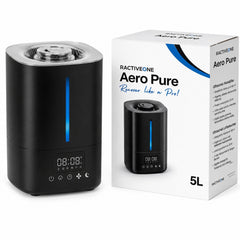
See the product: If you want to check out a humidifier, find it here: View product
Why Ractiveone?
- 30-day risk-free trial — try it completely stress-free.
- Free delivery
- 24/5 customer service
- Proven in everyday life — used by over 10,000 people.
Note (important):
A humidifier supports a comfortable indoor climate but is not a substitute for medical advice. Keep humidity at an appropriate level and ventilate regularly to prevent mould.