


Recovery Boots Benefits: 7 Reasons Athletes Use Them After Training
Trained hard, sat at a desk all day, or just feel like your legs are heavy and "full"? That's exactly where recovery boots come in. The benefits of recovery boots show up most where recovery usually gets neglected — after intense sessions, long runs, or many hours on your feet.
In short
Recovery boots are compression boots that rhythmically squeeze the legs with alternating air pressure. The main benefits: they may support recovery after training, can reduce the feeling of heavy legs, and are often experienced as a pleasant pressure massage. You get the most from a regular 15–30 minute session after exercise.
In this article you'll learn:
- how recovery boots work and who they suit
- the 7 benefits you notice in training and daily life
- how long and how often to use them
- what to watch for so it stays comfortable
01. What recovery boots are
Recovery boots use intermittent air compression. The chambers fill with air one after another, apply controlled pressure, then release. It feels like a firm, rhythmic massage — spread evenly across the legs.
One thing up front: recovery boots are not a magic trick. Recovery still comes down to sleep, nutrition, sensible training load and smart tools. Research on intermittent compression points to moderate effects — for example on perceived recovery and muscle soreness — while raw performance numbers don't always improve clearly.

Good to know
Pressure should be clearly noticeable but never painful. After a session you want to think "my legs feel light" — not "my leg has gone numb".
02. 7 recovery boots benefits you actually feel
These are the benefits many athletes report — from committed hobby athletes to desk-bound people with tired legs.
- 1. Faster recovery after sport: After hard leg sessions (strength, football, running, HIIT), compression may support active recovery — especially when sessions are tightly scheduled.
- 2. Fewer heavy legs: Many users report lighter-feeling legs afterwards, because compression can stimulate circulation.
- 3. A pressure massage for tense legs: For frequently tense legs, the compression is often experienced as a pleasant pressure massage — after long days at the desk, while travelling, or after standing a lot.
- 4. Massage-like relaxation, any time: A massage isn't always available. You use recovery boots at home: 15–30 minutes in, switch off, done.
- 5. Handy for a sedentary routine: If you sit a lot (home office, car, travel), you know that "pumped-up" feeling. The rhythmic compression can feel very pleasant here.
- 6. Routine-friendly: You don't have to do anything active. Boots on, start the programme — and read, watch a series, or just chill.
- 7. Supports your training long term: Take recovery seriously and you tend to train more consistently. And consistency is what brings results.


"Consistency beats the one perfect session. Recovery is the active part where progress is built."
— from training practice
03. How to use recovery boots properly
Timing, duration and intensity are what matter. They're especially worth it after intense leg training, long runs or intervals, match days, and on days with a lot of sitting, standing or long travel.
- Timing: ideally right after exercise or in the evening.
- Duration: usually 15–30 minutes per session.
- Intensity: noticeable but never painful — start moderate and build up.
"If you're new to this, start with low pressure and shorter sessions. Your benchmark is how your legs feel afterwards: light and loosened — not numb."
Marco Reinhardt, how-to author
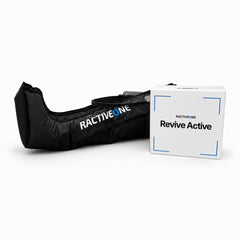
Revive Active Recovery Boots
Targeted recovery for legs and calves — easy to use at home, with a bundle option.
04. Recovery boots in daily life
Recovery doesn't have to be complicated. If you train regularly or often have heavy legs, recovery boots can be a tool you genuinely feel: less of that "full" sensation, more relaxation, back in action sooner. And the best part — you just do it at home, almost on the side.

05. Frequently asked questions
What do recovery boots actually do?
Recovery boots may support recovery after sport, can reduce the feeling of heavy legs, and are often experienced as a pleasant pressure massage. The effects are considered moderate and are clearest for perceived recovery.
How often should I use recovery boots?
For most people, 3–5 sessions a week make sense — ideally on or after intense training days. A session can also feel pleasant after long periods of sitting, standing or travel.
How long is one session?
Usually 15–30 minutes. More important than duration is being consistent across the week.
Do recovery boots replace a massage or physiotherapy?
No. Recovery boots are a recovery tool and don't replace medical treatment or physiotherapy. For persistent or severe symptoms, you should seek medical advice.
What should I watch for during use?
- pressure should be noticeable but never painful
- choose a comfortable, relaxed position
- don't use over acutely injured areas
- check with a professional first if you have pre-existing conditions


