


Intermittent Pneumatic Compression (IPC): the recovery method more people are turning to
Heavy, tired legs after a long day on your feet, hours of sitting or a long journey are something most people recognise. Intermittent pneumatic compression – IPC for short – is a gentle method that a growing number of people use at home to give their legs a calm, massage-like break, no athletic ambitions required.
In short
Intermittent pneumatic compression (IPC) uses inflatable sleeves that gently squeeze and release the legs in rhythmic cycles. This upward, wave-like motion can support circulation and help the legs feel lighter. It is usually delivered through compression boots in sessions of 15 to 30 minutes, comfortably at home.
In this article you will learn:
- what IPC actually is and where the method originates
- how the rhythmic compression works step by step
- how long, how often and at what pressure a session makes sense
- why IPC is interesting well beyond athletes
01. What IPC is and where it comes from
Intermittent pneumatic compression is a treatment in which inflatable sleeves or compression boots apply controlled air pressure to the legs. The chambers fill with air and release it in timed cycles, which feels like a gentle, wave-like massage.
The method has its roots in the medical field, where sequential compression has been used for decades to support blood flow in the legs. Today's home compression boots grew out of that use and have since reached far beyond competitive sport.

What sets IPC apart from regular compression
Standard compression garments apply constant pressure. IPC works dynamically instead: the pressure travels in a sequence from the feet upward, similar to the natural muscle pump that moves blood toward the heart as you walk. That movement is what makes the difference in how it feels.
Good to know
Even a calm 15 to 20 minute session after a long day can be enough to make the legs feel subjectively lighter and more relaxed.
02. How the compression works, step by step
IPC mimics the body's natural muscle pump. Rather than relying on movement alone, the treatment supports blood flow with controlled air pressure in a steady, rhythmic cycle.


What happens during a session
- Build-up: the lowest chamber at the foot fills with air first, so the pressure starts noticeably low down.
- Sequence: the chambers above inflate one after another while the lower one releases, sending the wave upward.
- Release: once all chambers have cycled through, the system empties completely before the next cycle begins.
This alternation of pressure and release repeats throughout the session. The sensation is firm but comfortable; many describe it as calm and almost meditative.
"The nicest thing about IPC is the rhythm: squeeze, release, rest. The legs genuinely settle down."
— a typical comment from regular use
03. Using it: duration, frequency, pressure
IPC is designed for short, regular sessions rather than continuous wear. Three points shape a comfortable session:
- Duration: usually 15 to 30 minutes. Around 20 minutes is a good benchmark; going much longer rarely adds benefit.
- Frequency: as needed. If you sit or stand a lot, short daily sessions can feel pleasant; when starting out, keep them shorter.
- Pressure: often adjustable in mmHg. Many begin in the low-to-medium range and build up by feel. The pressure should be firm but never painful.
"Consistency matters more than intensity. A calmer session at moderate pressure done more often beats a rare, very strong one; it keeps the experience pleasant and easy to fit into daily life."
Marco Reinhardt, how-to author at Ractiveone
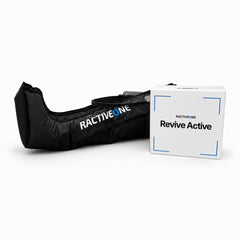
Revive Active Recovery Boots
Gentle, adjustable compression for the legs, easy to put on at home.
04. Who IPC suits in everyday life
IPC is no longer just for athletes. Anyone who puts their legs under strain during the day can benefit from a calm session as a small end-of-day ritual. If you want to dig a little deeper, the fundamentals of recovery are a good place to start.
IPC is used most often by people in standing or seated jobs, by frequent travellers after long flights or drives, and by older adults who want more comfort and lightness in their legs. For how recovery boots fit into recovery in particular, see our guide to recovery boots after training.

05. Frequently asked questions
What is intermittent pneumatic compression in simple terms?
IPC is a treatment in which inflatable sleeves or compression boots gently squeeze and release the legs in rhythmic cycles. This wave-like motion can support circulation and help the legs feel subjectively lighter.
How long should an IPC session last?
Usually 15 to 30 minutes, with around 20 minutes as a good benchmark. Consistency matters more than a particularly long session.
Can I use IPC without doing any sport?
Yes. IPC is often used after long periods of standing, sitting or travelling to relieve the legs. You do not need to be an athlete.
What should I keep in mind while using it?
- start at a low pressure and increase by feel
- the pressure should be firm but never painful
- use it in a comfortable, relaxed position
- do not use it over acutely injured or inflamed areas
When should I check with a doctor first?
If you have a condition affecting circulation, blood clotting or healing, or if you have persistent or severe symptoms, seek medical advice before use. IPC is not a substitute for medical treatment.


