


Tight Calves After Running? Massage Gun Tips for Runners & Footballers
Tight calves after running: why does it happen so often?
When you run or play football, your calves work non-stop: push-off, stability, direction changes, sprints — all of it goes through your feet and lower legs. No wonder your calves often feel tight, heavy, or just plain done afterwards.
On top of that: a lot of people sit for most of the day. And that's like a little "calf shortener" built into your routine. Result: when you exercise, your calves have to work extra hard — and they let you know about it afterwards.
How can a massage gun help with tight calves?
A massage gun works with fast, rhythmic pulses (percussion). Lots of people use it after sport because it can:
- release tension,
- ease soreness,
- boost circulation,
- and leave your legs feeling noticeably looser.
The key: you don't need to go hard. For calves, think controlled, slow, measured — that's when it feels best.
The best spots: where to target tight calves
1) Calf muscle (gastrocnemius) — the visible part
This is the big calf muscle you can see when you flex. Work from the middle of the calf upwards, slowly and without pressure.
2) Deep calf (soleus) — often the hidden culprit
The soleus sits deeper and can cause real trouble for runners and footballers. You reach it best by working to the side and slightly below the main calf bulk — it often feels more "on point" than just working the surface.
3) Outer shin (peroneus) — underrated but important
If you run a lot or tend to roll your ankle, the outer lower leg can get tight. Be careful here: avoid bone, work on muscle only.
4) Front shin muscle (tibialis anterior) — when the front feels strained
With lots of running, the front of your leg can get fatigued (shin-splint-like feeling). Same rule: gentle, controlled, don't grind along the edge.
5-minute protocol: massage gun for runners & footballers
Short on time? Use this quick protocol:
- Main calf (gastrocnemius): 60 seconds per side
- Deep calf (soleus): 60 seconds per side
- Outer shin (peroneus): 30–45 seconds per side
- Front shin (tibialis anterior): 30–45 seconds per side
Intensity: low to medium. You want to feel loose afterwards, not run over.
Before or after exercise?
Before exercise (warm-up boost, 1–2 minutes)
If your calves feel stiff, use 30–45 seconds per calf to wake them up. Then move dynamically straight after (e.g. ankle mobility, light calf raises).
After exercise (recovery, 5–10 minutes)
After a run or training session, the massage gun feels best for most people: release tension, ease soreness, wind down. Go a little longer here, but don't stay glued to one spot.
Dos & Don'ts for calves (so you don't make mistakes)
| Work slowly, 60–120 seconds per area | Rush over it frantically |
| Stay on muscle tissue | Directly on the shin bone / ankle / Achilles tendon |
| Start low, then build up | Max intensity as the default |
| Pleasantly firm — but controlled | Treat pain as "progress" |
How often should you use the massage gun?
As a guide: most people use it 3–6x per week for around 5–10 minutes per muscle group. If you run or play football a lot, "short & regular" tends to work especially well.
Bottom line: tight calves are normal — but you can do a lot about it
If your calves are regularly tight after running or football, that's not the end of the world — but it does hold you back. With a massage gun you can release tension, ease soreness and feel loose again faster. The technique is what counts: the right spots, moderate intensity, and a routine you actually stick to.
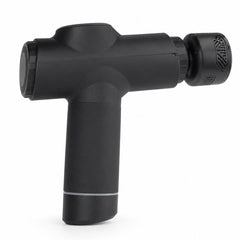
The product: Want to check out a massage gun? Find it here: View product
Why Ractiveone?
- Try it risk-free for 30 days — completely stress-free.
- Free delivery
- Personal 24/5 customer support
- Proven in everyday use — trusted by over 10,000 people.
Note (important):
A massage gun is a wellness and recovery tool and does not replace medical advice. If you have any health concerns, pre-existing conditions, or uncertainties, please check with a medical professional before use.