

What Are Compression Boots? Beginner’s Guide to Recovery
Share
Recovery has become an important part of fitness and daily wellness. Athletes, runners, gym users, cyclists, and even people with active jobs now understand that rest alone is not always enough. After training sessions, long shifts, travel, or standing for hours, many people deal with heavy legs, swelling, soreness, and muscle fatigue.
That is one reason compression boots have become more popular in recent years. They are now seen in gyms, sports clinics, training centers, and homes. People use them to feel fresher, recover faster, and support leg comfort after physical stress.
If you have heard about them and wondered what are compression boots, this guide explains everything in a clear and simple way. You will learn how they work, what they feel like, whether they actually help, and who can benefit from using them.
What Are Compression Boots?
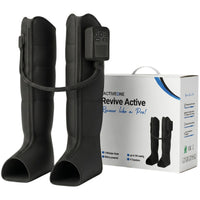
Compression boots are wearable recovery sleeves that go over your legs and use controlled air pressure to gently squeeze and release different areas of the legs. They usually cover the feet, calves, knees, and thighs, depending on the model.
Inside the boots are separate air chambers. These chambers inflate and deflate in a sequence, usually starting from the feet and moving upward toward the thighs. This process is often called sequential compression therapy.
The goal of this movement is to support healthy circulation and help reduce the feeling of tired, heavy legs. It may also help move built-up fluid and ease post-workout discomfort.
Many people ask what are compression boots because they look advanced, but the idea is simple. They create a massage-like pressure pattern that supports recovery and relaxation.
Compression boots are commonly used after:
- Running sessions
- Gym workouts
- Cycling
- Team sports
- Long work shifts
- Travel
- Days with a lot of walking or standing
Unlike foam rolling or stretching, compression boots let you sit back and relax while the boots do the work.
What Do Compression Recovery Boots Feel Like?
A common question people ask after what are compression boots is what they actually feel like during use.
Most users describe the feeling as a firm but comfortable squeeze around the legs. The pressure moves in waves, starting lower on the legs and gradually moving upward. Then the air releases before the next cycle begins.
It often feels similar to:
- A gentle leg massage
- Rhythmic squeezing and release
- Light muscle compression
- A relaxing pressure wave through the legs
The sensation should feel supportive, not painful. Most systems allow you to adjust the pressure level, so beginners can start lower and increase over time if needed.
During a session, many people notice:
- Legs feel lighter afterward
- Reduced tightness in calves or thighs
- A sense of relaxation
- Less heaviness after standing or exercise
Some people even use compression boots while reading, watching TV, or resting after work.
If the pressure feels too strong, settings can usually be lowered. Comfort is important, and stronger pressure is not always better.
Do Compression Boots Actually Work?
Many people ask whether compression boots are truly effective or simply another fitness trend. This is a fair question, especially with so many recovery products now available. The good news is that compression boots can offer real benefits for many users when they are used regularly and as part of a balanced recovery routine.
Compression boots work by using controlled air pressure that gently squeezes and releases the legs in cycles. This pressure usually starts at the feet or lower calves and moves upward through the legs. The repeated motion helps support circulation and encourages fluid movement in the lower body. As a result, the legs may feel lighter, fresher, and less tired after exercise or long hours on your feet.
They are especially popular with runners, gym users, cyclists, and active people because recovery often becomes harder when training volume increases. Instead of simply waiting for soreness to pass, many people use compression boots to feel more comfortable and ready for their next session.
Users often report benefits such as:
Reduced Leg Fatigue
After hard workouts, sports sessions, or long workdays, the legs can feel heavy, weak, or slow. This is common when muscles have been under repeated stress. Compression sessions may help reduce that tired sensation by encouraging circulation and giving the legs time to relax. Many users notice their legs feel lighter after a short session.
Less Swelling
Temporary swelling in the feet, ankles, or calves can happen after standing for hours, travelling, or intense exercise. Compression boots use pressure cycles that may help move excess fluid and improve overall comfort. This can be especially useful after flights, road trips, or demanding days at work.
Better Recovery Between Sessions
People who train several times each week often need quicker recovery to stay consistent. Compression boots are commonly used between workouts so the legs feel more refreshed and less stiff before the next run, ride, or gym session. They can be a useful addition for those with active routines.
Reduced Muscle Tightness
Heavy training can lead to tight calves, sore quads, and stiff hamstrings. While compression boots do not replace stretching or mobility work, they may help ease muscle tightness and improve comfort after exercise.
Relaxation and Recovery Time
Recovery is not only physical. Resting quietly for 20 to 30 minutes can help the body and mind slow down after a busy day. Many users enjoy the calming massage-like feeling of compression boots while reading, watching TV, or simply relaxing.
Support for Daily Leg Comfort
Compression boots are not only for athletes. People with physically demanding jobs or long standing hours often use them to manage tired legs at the end of the day.
Compression boots are not a magic solution. They do not replace sleep, hydration, proper nutrition, smart training, or movement. However, they can be a valuable tool that supports your overall recovery plan.
So when asking what are compression boots, it is fair to say they are practical recovery devices that can genuinely help many people feel better and recover more comfortably.
Who Should Use Compression Boots?
Compression boots are often associated with professional athletes and sports teams, but they are useful for a much wider range of people. In reality, anyone who experiences tired, sore, or heavy legs may benefit from using them.
Modern life places a lot of stress on the lower body. Exercise, long shifts, travel, and daily movement can all leave the legs feeling worn out. Compression boots offer a convenient way to support recovery and comfort at home.
Here are some of the people who may benefit most:
Runners
Running creates repeated impact through the calves, knees, hamstrings, and thighs. Long runs, speed sessions, and races can leave the legs sore and fatigued. Compression boots may help runners feel fresher and recover more comfortably between training days.
Gym Users
Leg day can bring muscle soreness after squats, lunges, deadlifts, and other strength exercises. Compression recovery boots may help reduce post-workout discomfort and ease stiffness after intense gym sessions.
Cyclists
Cycling places heavy demand on the quads, calves, and glutes, especially during long rides or hill sessions. Many cyclists use compression therapy after training to support recovery and reduce leg fatigue.
Sports Players
Football, basketball, tennis, hockey, and many other sports involve fast movement, jumping, sprinting, and repeated effort. Compression boots can be useful for supporting recovery between matches, practices, and training sessions.
Workers on Their Feet
Teachers, nurses, retail staff, warehouse workers, chefs, salon professionals, and many others spend long hours standing or walking. This can lead to swollen feet and tired legs. Compression boots may help improve comfort after work.
Frequent Travelers
Long flights, car journeys, and train travel can leave the legs stiff and swollen due to limited movement. A compression session after travel may help restore comfort and reduce heaviness.
Older Adults with Tired Legs
Some older adults use compression boots to support circulation, ease leg fatigue, and enjoy a relaxing recovery session after active days.
Busy Everyday Users
You do not need to be an athlete to benefit. Many people simply use compression boots because they want their legs to feel better after daily life.
Anyone who regularly experiences sore, tired, or heavy legs may benefit from learning what are compression boots and how they can fit into a healthy recovery routine.
Why RactiveOne Revive Active Recovery Boots Are a Smart Choice?
If you are thinking about buying compression boots, choosing the right model matters. Not all recovery boots offer the same level of comfort, fit, pressure control, or convenience. A good system should be easy to use, comfortable to wear, and effective enough for regular use.
That is where RactiveOne Revive Active Compression Recovery Boots stand out as a smart choice for people who want reliable recovery support at home.
Full Leg Recovery Support
These boots are designed to cover key lower body areas including the feet, calves, knees, and thighs. This full-leg design helps deliver more complete recovery support rather than focusing on only one area.
Adjustable Pressure Levels
Every user has different comfort preferences. Some want a gentler recovery session, while others prefer firmer compression after intense training. Adjustable pressure settings allow you to choose the level that feels best for your needs.
Easy Home Use
Recovery should be simple, not complicated. With Revive Active Compression Recovery Boots, you can enjoy a session at home without needing appointments or special setup. Put the boots on, choose your settings, and relax.
Suitable for Active Lifestyles
Whether you run regularly, train in the gym, cycle, play sports, or work long hours on your feet, these boots can fit easily into your routine. They are practical for both athletes and everyday users.
Comfort and Convenience
Comfort matters when using recovery tools regularly. A user-friendly design and simple controls help make sessions more enjoyable, which increases the chance of consistent use over time.
Great for Daily Recovery
Many people only think about recovery after hard exercise, but daily leg stress can also build up from work, standing, and travel. These boots can be useful not only after training, but also after demanding everyday routines.
Helps Build Better Recovery Habits
The best recovery tools are the ones you actually use. When a product is convenient and comfortable, it becomes easier to make recovery part of your weekly routine.
Smart Long-Term Value
Instead of relying on occasional massage sessions or waiting for soreness to pass, owning recovery boots gives you access to support whenever you need it.
Conclusion
So compression boots are air-powered recovery sleeves that apply rhythmic pressure to the legs to help support circulation, reduce fatigue, ease soreness, and improve comfort.
They are popular because they are simple to use, relaxing, and useful for many lifestyles. From athletes and runners to busy workers and travelers, compression boots can help tired legs feel better.
While they should be part of a wider recovery plan that includes sleep, hydration, and movement, they can make a real difference in how your legs feel day to day.
If you want a dependable solution for leg recovery and comfort, RactiveOne Revive Active Compression Recovery Boots are a natural choice for modern recovery needs.